
Description
“Complete Pre-K curriculum for ages 4-5. Kindergarten readiness skills, activities, lesson plans & printables. Perfect for homeschool & classroom!”
Target Keywords:
- Primary: “pre-k curriculum” (18,000 searches/mês)
- Secondary: “pre-kindergarten activities”, “4 year old curriculum”, “kindergarten prep”, “pre-k lesson plans”
Your four-year-old is asking bigger questions, building more complex creations, and suddenly seems so much more… capable. They’re not your baby anymore—they’re a pre-kindergartener, standing at the threshold of “real school.”
And with that realization comes a wave of questions: “Is my child ready for kindergarten? Am I teaching them everything they need? What if they fall behind? Should I be doing more worksheets? When should they learn to read?”
Whether you’re a homeschool mom planning your pre-K year, a preschool teacher preparing 4-5 year olds for kindergarten, or a parent supporting your child’s final year before school, you want to get this right.
Here’s what you need to know: Pre-K is the bridge between preschool play and kindergarten learning—and that bridge is built through intentional, play-based activities that develop the whole child.
Your 4-5 year old doesn’t need hours of worksheets or rigid academic drills. What they need is a carefully structured curriculum that builds kindergarten readiness skills through engaging, hands-on experiences that feel like play but accomplish serious learning.
This is the year when everything comes together—when scattered skills from ages 3-4 consolidate into confident competence. When letters become sounds, sounds become words, counting becomes math thinking, and your child becomes genuinely ready for the adventure of kindergarten.
What you’ll discover in this complete guide:
- The critical difference between preschool (3-4) and Pre-K (4-5)
- Essential kindergarten readiness skills for ages 4-5
- How to structure your Pre-K year month-by-month
- The 8 core learning domains for Pre-K curriculum
- Daily schedule and routines that work
- Balancing academic skills with social-emotional growth
- How to assess readiness without testing
- Month-by-month themes and skill progression
- Free Pre-K planning resources
Let’s create a Pre-K year that prepares your child beautifully for kindergarten—academically, socially, emotionally, and joyfully.
What Makes Pre-K Different from Preschool? (The Critical Shift)
Pre-K (ages 4-5) is distinct from preschool (ages 3-4) in important ways. Understanding this difference helps you provide the right level of challenge and support.
Preschool (Ages 3-4): Foundation Building
- Focus: Exposure to concepts
- Learning: Through free play and exploration
- Skills: Emerging, inconsistent
- Structure: Minimal, flexible
- Expectations: Low pressure, high nurturing
- Goal: Build curiosity, love of learning, social skills
Pre-K (Ages 4-5): Kindergarten Preparation
- Focus: Skill development and practice
- Learning: Through structured play and intentional activities
- Skills: Developing consistency and independence
- Structure: More routine, increased expectations
- Expectations: Higher (but still age-appropriate!)
- Goal: Kindergarten readiness—academically, socially, emotionally
The Key Shift: From Exposure to Practice
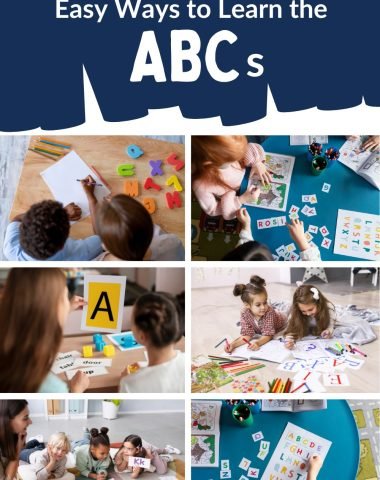
At 3-4, you expose children to letters, numbers, shapes, colors. “Look, this is the letter A! A says /a/!”
At 4-5, you provide systematic practice. “Can you find all the A’s on this page? Let’s practice writing A. What sound does A make? What words start with A?”
It’s not pressure—it’s intentional skill-building through engaging activities.

Developmental Milestones for Ages 4-5
Understanding what’s typical at this age helps you set appropriate expectations.
Physical Development:
- Hops on one foot for several seconds
- Catches a bounced ball most of the time
- Uses fork and spoon independently
- Draws a person with 4-6 body parts
- Prints some letters and numbers
- Uses scissors with increasing control
- Can do somersaults
Cognitive Development:
- Counts 10-20 objects accurately
- Recognizes most letters (uppercase and lowercase)
- Understands time concepts (yesterday, today, tomorrow)
- Knows basic colors and shapes
- Can retell familiar stories
- Understands “same” and “different”
- Solves simple problems
Language Development:
- Speaks in complex sentences (6-8 words)
- Uses future tense (“I will…”)
- Tells stories with beginning, middle, end
- Vocabulary of 2,000+ words
- Can be understood by strangers
- Asks lots of “how” and “why” questions
- Loves wordplay and silly language
Social-Emotional Development:
- Wants to please friends
- Wants to be like friends
- More likely to agree with rules
- Aware of gender differences
- Can distinguish fantasy from reality (mostly!)
- Shows more independence
- Sometimes demanding, sometimes cooperative
Important Note: These are AVERAGES. Your child may be ahead in some areas, behind in others. This is completely normal. Every child develops at their own pace.
The 8 Core Learning Domains for Pre-K (What Your Curriculum Must Cover)
A comprehensive Pre-K curriculum addresses ALL areas of development—not just academics. This is whole child education.
1. Literacy & Language Development
What 4-5 year olds need to master:
Letter Recognition:
- Recognize all 26 letters uppercase
- Recognize most letters lowercase
- Match uppercase to lowercase
Letter Sounds:
- Know beginning sounds for most letters
- Identify words that start with specific sounds
- Beginning sound isolation (“Cat starts with /c/”)
Phonological Awareness:
- Rhyme consistently
- Clap syllables in words
- Blend simple sounds (/c/ /a/ /t/ = cat)
- Segment beginning sounds
Print Concepts:
- Understand print carries meaning
- Know that we read left to right, top to bottom
- Recognize their written name
- Understand the difference between letters and words
- Know what a sentence is
Writing:
- Write first name (letters may be inconsistent)
- Write some letters when dictated
- “Write” messages using scribbles, letter-like shapes, and some real letters
Listening & Speaking:
- Follow 3-4 step directions
- Retell stories in sequence
- Answer who, what, when, where, why questions
- Express ideas clearly in complete sentences
- Engage in conversations
What this looks like in practice:
- Daily alphabet activities (songs, games, letter hunts)
- Read-alouds with discussion (20-30 minutes daily)
- Rhyming games and sound activities
- Pre-writing practice (tracing, letter formation)
- Name writing practice
- Storytelling and retelling
- Rich vocabulary exposure
📚 Deep dive: Pre-K Literacy Activities: Building Strong Readers
2. Mathematics & Logical Thinking
What 4-5 year olds need to master:
Counting & Number Sense:
- Count to 30+ (some reach 50-100)
- Count objects to 20 with accuracy
- Recognize written numerals 1-20
- Understand cardinality (last number = how many)
- Count backwards from 10
Number Operations (Emerging):
- Understand addition as “putting together”
- Understand subtraction as “taking away”
- Solve simple story problems (with objects)
- “You have 3 cookies. I give you 2 more. How many now?”
Patterns & Sorting:
- Create and extend complex patterns (ABB, AAB, ABC)
- Sort by multiple attributes
- Identify patterns in environment
Shapes & Spatial Relationships:
- Identify 2D shapes: circle, square, triangle, rectangle, oval, diamond, heart, star
- Identify 3D shapes: sphere, cube, cone, cylinder
- Understand positional words: above, below, beside, between, inside, outside
Measurement:
- Compare lengths, weights, volumes
- Order objects by size (smallest to largest)
- Use non-standard units to measure (“The book is 5 blocks long”)
- Understand concepts: more, less, equal, heavier, lighter, longer, shorter
Data & Graphing:
- Simple surveys and tallies
- Create and read simple graphs
- Compare quantities visually
What this looks like in practice:
- Daily counting activities (calendar, attendance, weather)
- Hands-on math games with manipulatives
- Pattern activities with objects, movements, sounds
- Shape hunts and building activities
- Cooking and measuring
- Real-world math problems throughout the day
🔢 Deep dive: Pre-K Math Activities: Number Sense & Problem Solving
3. Science & Discovery
What 4-5 year olds need to explore:
Scientific Thinking:
- Ask questions and make predictions
- Observe carefully and describe what they see
- Compare and classify (same/different, living/non-living)
- Understand cause and effect
- Use simple tools (magnifying glass, measuring cups)
Life Science:
- Understand living things grow and change
- Know basic needs of living things (food, water, air, shelter)
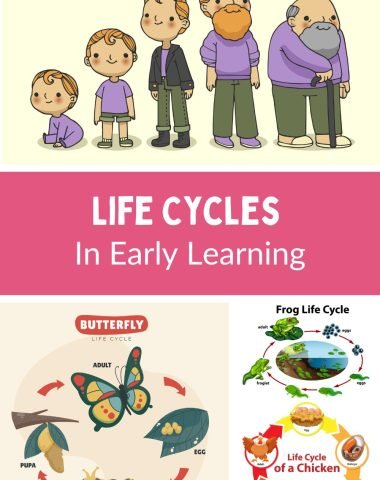
- Observe life cycles (plants, butterflies, frogs)
- Identify basic body parts and their functions
- Understand healthy habits (nutrition, exercise, hygiene)
Physical Science:
- Explore properties of materials (hard/soft, rough/smooth, heavy/light)
- Experiment with forces (push/pull, fast/slow)
- Observe changes (mixing, melting, dissolving)
- Understand simple machines (ramps, levers, wheels)
Earth & Space Science:
- Observe weather patterns and seasons
- Know basic earth materials (rocks, soil, water)
- Understand day and night, sun and moon
- Care for the environment
What this looks like in practice:
- Nature walks and observations
- Simple experiments (sink/float, mix colors, plant growth)
- Life cycle studies throughout the year
- Weather observation and charting
- Collections and classification
- Asking “why?” and “how?” and exploring answers together
🌱 Deep dive: Pre-K Science & Nature Activities: Exploring the World
4. Social Studies & Community Awareness
What 4-5 year olds need to understand:
Self & Family:
- Know full name, age, birthday, address (emerging)
- Understand family roles and relationships
- Recognize similarities and differences among people
- Develop positive self-identity
Community:
- Understand different jobs and community helpers
- Know basic rules and why they exist
- Participate in group decisions
- Understand the concept of fairness
Culture & Diversity:
- Recognize that families are different
- Appreciate different cultures, languages, traditions
- Understand that people have different abilities, appearances, beliefs
Geography (Basic):
- Understand concepts: home, neighborhood, city, state, country
- Use simple maps
- Understand that people live in different places
Time & Sequence:
- Understand yesterday, today, tomorrow
- Understand morning, afternoon, night
- Sequence events (first, next, last)
- Understand seasons and months
What this looks like in practice:
- “All About Me” activities
- Community helper studies
- Cultural celebrations and traditions
- Simple maps and geography activities
- Daily calendar and timeline work
- Discussions about rules, fairness, kindness
5. Creative Arts & Expression
What 4-5 year olds need to experience:
Visual Arts:
- Explore various art materials and techniques
- Create representational art (drawings look like something!)
- Express ideas and feelings through art
- Appreciate different styles of art
- Begin to plan art projects before creating
Music & Movement:
- Sing in tune (emerging)
- Keep a steady beat
- Recognize different instruments
- Move creatively to music
- Create simple rhythms
Dramatic Play:
- Engage in complex pretend play scenarios
- Take on different roles
- Use props creatively
- Act out stories
- Create simple plays or performances
What this looks like in practice:
- Daily art center with varied materials
- Music and movement activities
- Dramatic play center with rotating themes
- Process art (focus on creating, not product)
- Exposure to famous artists, musicians, performers
🎨 Deep dive: Pre-K Creative Arts: Fostering Imagination & Expression
6. Physical Development & Health
What 4-5 year olds need to develop:
Gross Motor Skills:
- Run, jump, hop, gallop, skip (emerging)
- Throw and catch with increasing accuracy
- Balance on one foot for 5-10 seconds
- Ride a tricycle or bicycle with training wheels
- Climb playground equipment confidently
Fine Motor Skills:
- Hold pencil with tripod grip consistently
- Cut on curved and complex lines
- String small beads
- Button, snap, zip independently
- Build complex structures with small manipulatives
- Write letters with increasing control
Health & Safety:
- Practice good hygiene (handwashing, covering coughs)
- Understand healthy food choices
- Know basic safety rules (street crossing, stranger danger)
- Understand their body and appropriate/inappropriate touch
What this looks like in practice:
- Daily outdoor play (60+ minutes)
- Structured movement activities
- Fine motor practice (cutting, writing, manipulatives)
- Discussions about nutrition and health
- Self-care practice (dressing, hygiene)
✂️ Deep dive: Pre-K Fine Motor Skills: Preparing Hands for Writing
7. Social-Emotional Development (THE Most Important!)
What 4-5 year olds need to develop:
Self-Awareness:
- Identify a range of emotions in self
- Understand what triggers their emotions
- Recognize their strengths and interests
- Develop positive self-concept
Self-Management:
- Regulate emotions with decreasing adult support
- Use calming strategies independently (sometimes)
- Handle disappointment and frustration better
- Follow rules and routines consistently
- Show persistence when tasks are challenging
Social Awareness:
- Recognize emotions in others
- Show empathy consistently
- Understand different perspectives (emerging)
- Respect differences
Relationship Skills:
- Make and keep friendships
- Cooperate in groups
- Resolve conflicts with words (with guidance)
- Share and take turns without constant reminders
- Ask for help appropriately
- Follow group expectations
Responsible Decision-Making:
- Make simple choices and understand consequences
- Distinguish safe from unsafe behaviors
- Follow classroom/home rules
- Think before acting (emerging skill!)
What this looks like in practice:
- Daily feelings check-ins
- Emotion books and discussions
- Problem-solving practice
- Conflict resolution coaching
- Cooperative games and activities
- Positive behavior modeling and reinforcement
💗 Deep dive: Pre-K Social-Emotional Learning: Building Confident Kindergarteners
8. Executive Function & Approaches to Learning
What 4-5 year olds need to develop:
These are the “learning how to learn” skills that predict success in school and life.
Attention & Focus:
- Sustain attention for 20-30 minutes
- Ignore distractions when engaged in activity
- Complete multi-step tasks
Working Memory:
- Remember and follow 3-4 step directions
- Recall information from earlier in the day or week
- Retell events in sequence
Cognitive Flexibility:
- Switch between activities smoothly
- Adjust when plans change
- Think about things in different ways
Inhibitory Control:
- Wait their turn
- Raise hand instead of calling out
- Stop and think before acting
- Resist impulses (emerging)
Initiative & Curiosity:
- Try new activities willingly
- Ask questions to learn more
- Show interest in learning
- Explore independently
Persistence:
- Keep trying when something is difficult
- Ask for help when needed
- Show pride in accomplishments
What this looks like in practice:
- Gradually increasing activity lengths
- Multi-step projects
- Games requiring turn-taking and rule-following
- Problem-solving activities
- Open-ended exploration time
- Celebrating effort, not just success
Structuring Your Pre-K Year (Month-by-Month Framework)
A well-structured Pre-K year has a logical progression—skills build on each other, themes connect meaningfully, and everything points toward kindergarten readiness.
The Ideal Pre-K Structure:
August/September: Back to School & All About Me Focus: Establishing routines, building classroom community, self-awareness
Skills to introduce:
- Classroom rules and expectations
- Name recognition and writing
- Numbers 1-5, counting to 10
- Review colors and basic shapes
- Self-portrait and family studies
Why start here: Children need to feel safe and connected before academic learning can happen. This month is about community building and assessing where each child is.
October: Fall, Harvest & Five Senses Focus: Seasonal changes, observation skills, sensory exploration
Skills to develop:
- Continue with letters A-F
- Numbers 6-10, counting to 15
- Sorting and patterns
- Scientific observation
- Describing with sensory words
Connection: Fall provides rich opportunities for hands-on science, math (counting pumpkins, sorting leaves), and literacy (fall vocabulary, books about seasons).
November: Gratitude, Family & Community Helpers Focus: Social studies, empathy, community awareness
Skills to develop:
- Letters G-L
- Numbers 11-15, counting to 20
- Social awareness and kindness
- Understanding different jobs and roles
- Comparing and contrasting
Connection: This month builds social-emotional skills while continuing academic progress.
December: Winter, Holidays & Traditions Focus: Cultural awareness, celebrations, winter science
Skills to develop:
- Letters M-R
- Continue counting to 20, recognize numerals 1-15
- Patterns and sequences
- Understanding traditions and celebrations
- Winter weather and animal adaptations
Important: Keep this inclusive of all cultures and beliefs. Focus on kindness, giving, and traditions rather than specific religious holidays.
January: New Year, Winter Animals & Hibernation Focus: Animal studies, life cycles, goal-setting
Skills to develop:
- Letters S-X
- Counting to 25, recognize numerals to 20
- Animal classification (mammals, birds, reptiles)
- Life cycles and habitats
- Simple addition concepts (with objects)
Connection: Fresh start after break, introduce more challenging concepts now that routines are solid.
February: Love, Friendship & Dental Health Focus: Relationships, health, emotions
Skills to develop:
- Letters Y-Z, full alphabet review
- Continue math skills, introduce subtraction concepts
- Understanding emotions in depth
- Healthy habits (dental health, nutrition)
- Acts of kindness and friendship
March: Spring, Growth & Plants Focus: Life cycles, scientific observation, change
Skills to develop:
- Beginning sounds review
- Counting to 30+, teen numbers
- Plant life cycle study
- Weather and seasons
- Measurement and comparison
Connection: Hands-on gardening and growth observation provide rich cross-curricular learning.
April: Earth Day, Insects & Bugs Focus: Environmental awareness, insect study, conservation
Skills to develop:
- Letter sounds mastery
- Continue counting and number recognition
- Insect life cycles
- Classification and observation
- Caring for the earth
May: Ocean Animals, Beach & End of Year Focus: Ocean habitats, kindergarten transition, celebration
Skills to develop:
- Full kindergarten readiness review
- All letters, sounds, and numbers
- Ocean animal study and habitats
- Preparation for kindergarten
- Celebration of growth
June/July (if continuing): Summer Fun & Review Focus: Reinforcement, play, maintaining skills
Skills to review:
- All kindergarten readiness skills through games
- Outdoor learning
- Field trips and experiences
Relaxed, play-based skill practice
Daily Pre-K Schedule (What a Day Looks Like)
Pre-K needs more structure than preschool, but still prioritizes play-based learning. Here’s what works:
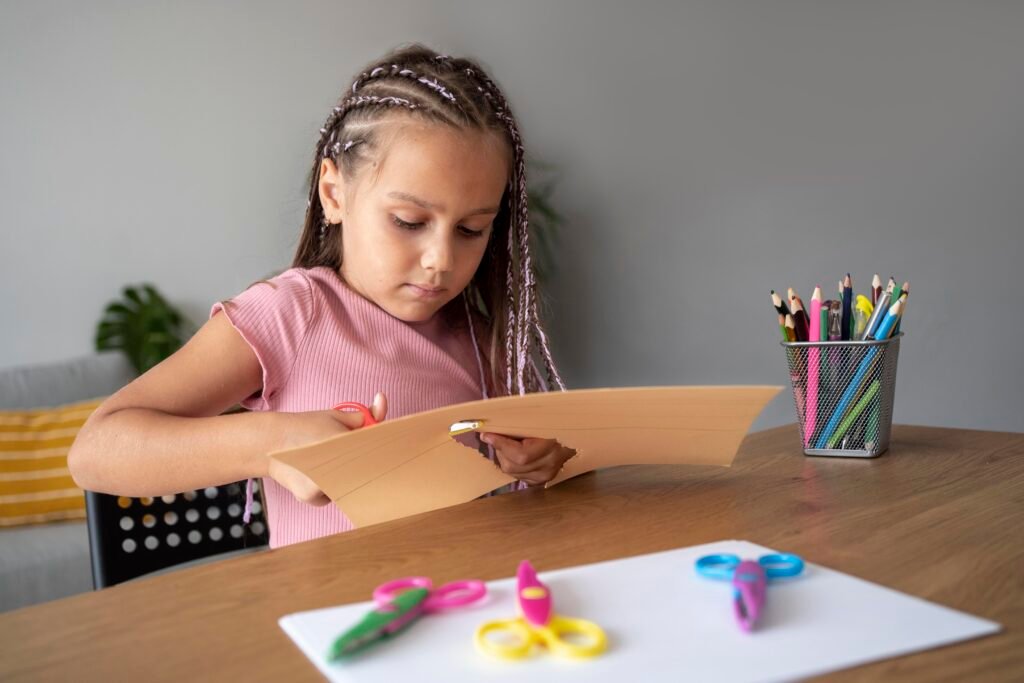
Full-Day Pre-K Schedule (Classroom/Daycare)
8:00-8:30 AM – Arrival & Morning Routine
- Children arrive, put away belongings
- Self-directed activities (puzzles, books, quiet play)
- Attendance and lunch count
8:30-9:00 AM – Morning Circle Time
- Greeting song and attendance
- Calendar, weather, days of the week
- Letter and number of the day
- Story time related to theme
- Introduction to daily activities
9:00-10:00 AM – Learning Centers (Structured Choice Time) Rotate through centers in small groups:
- Literacy center (letter activities, writing, books)
- Math center (manipulatives, counting, patterns)
- Science/discovery center (exploration, experiments)
- Art center (open-ended creating)
- Dramatic play center (themed pretend play)
- Block/building center
10:00-10:15 AM – Snack Time
- Handwashing, serving, social conversation
- Math practice (counting snack items)
- Manners and self-help skills
10:15-11:00 AM – Outdoor Play/Gross Motor
- Free play on playground
- Structured games and activities
- Nature observation
11:00-11:30 AM – Small Group Instruction Teacher works with small groups (4-6 children) on targeted skills:
- Phonics practice
- Counting and number activities
- Writing practice
- Differentiated instruction based on needs
11:30-12:00 PM – Whole Group Activity
- Music and movement
- STEM challenge
- Themed project or craft
- Group game or read-aloud
12:00-12:30 PM – Lunch
- Family-style serving
- Conversation practice
- Cleanup and hygiene
12:30-2:00 PM – Quiet Time/Rest
- Naptime for those who need it
- Quiet activities for non-nappers (books, puzzles, drawing)
- Teacher prep and planning time
2:00-2:30 PM – Afternoon Snack & Story
- Snack and conversation
- Read-aloud (longer chapter books, complex stories)
2:30-3:15 PM – Free Choice & Centers
- Child-directed play and exploration
- Teacher observations and one-on-one interactions
- Continuation of morning projects
3:15-3:30 PM – Closing Circle
- Review of the day
- Goodbye song
- Dismissal routine
Half-Day Pre-K Schedule (3 hours)
9:00-9:20 AM – Circle Time 9:20-10:15 AM – Learning Centers 10:15-10:30 AM – Snack 10:30-11:15 AM – Outdoor Play 11:15-11:45 AM – Small Group & Whole Group Activity 11:45-12:00 PM – Closing Circle
Homeschool Pre-K Schedule (Flexible)
Morning:
- 8:30 AM – Breakfast, get ready for the day
- 9:00 AM – Circle time at home (15 min): calendar, weather, songs, letter/number intro
- 9:15 AM – Focused activity #1 (20 min): literacy or math
- 9:35 AM – Hands-on activity (20 min): craft, science experiment, themed activity
- 9:55 AM – Snack break
- 10:10 AM – Read-alouds (15-20 min): 2-3 books
- 10:30 AM – Outdoor play or gross motor activity
Total “school time”: about 60-75 minutes of structured learning
Rest of day:
- Free play
- Help with chores (practical life skills)
- Errands (real-world learning)
- Sibling play
- Quiet time
- Additional reading, music, creative activities
The key: Homeschool Pre-K doesn’t need 6 hours of instruction. 60-90 minutes of focused, intentional learning + read-alouds + real-life experiences = complete education.
Get Free Learning Activities!
Join thousands of parents and teachers who receive our best activities, tips, and printables every week. Plus, get instant access to our exclusive resource library!
No spam, ever. Unsubscribe anytime.
Balancing Academic Skills with Play-Based Learning (The Pre-K Sweet Spot)
Pre-K is the bridge between preschool’s play-based approach and kindergarten’s more academic focus. The key is finding the balance.
What “Play-Based Academic Learning” Looks Like:
NOT Play-Based: Children sit at desks doing worksheets for 45 minutes while teacher lectures.
YES Play-Based: Children play a letter bingo game, hunt for hidden letters around the room, build letters with playdough, then trace letters on fun worksheets for 5-10 minutes.
The Philosophy:
At ages 4-5, children still learn best through:
- Hands-on manipulation (touching, building, creating)
- Movement (learning while moving their bodies)
- Play (games, pretend play, exploration)
- Social interaction (learning with and from peers)
- Choice (some autonomy over activities)
But they’re ALSO ready for:
- More structure (predictable routines, clear expectations)
- Focused instruction (targeted skill-building in small doses)
- Intentional practice (repetition to build mastery)
- Slight challenge (activities just beyond current skill level)
The Balance in Practice:
Example: Teaching Letter Sounds
❌ Too academic (not developmentally appropriate): 30 minutes of phonics worksheets, flash card drills, rote memorization
✅ Balanced approach (play-based + intentional):
- Sing alphabet sound song (5 min)
- Letter sound scavenger hunt (10 min): find objects starting with /b/
- Play “I Spy” with beginning sounds (5 min)
- Build the letter B with playdough while saying /b/ /b/ /b/ (5 min)
- Quick worksheet—color things that start with B (5 min) Total: 30 minutes, feels like play, accomplishes serious learning
Example: Teaching Counting
❌ Too academic: Worksheets: “Circle the correct number” for 20 minutes
✅ Balanced approach:
- Count kids at circle time, count days on calendar (5 min)
- Play dice game—roll, count dots, collect that many counters (10 min)
- Build towers and count blocks (5 min)
- Sort and count objects by color (5 min)
- Quick worksheet: count and color (5 min) Total: 30 minutes of math learning through play
The Rule of Thumb:
If your 4-5 year old is:
- ✅ Engaged, smiling, asking to do more → Balance is right
- ✅ Proud of their work, showing you excitedly → Good challenge level
- ✅ Sometimes finding it tricky but persisting → Appropriate difficulty
If your child is:
- ❌ Resisting, complaining, melting down → Too much pressure
- ❌ Bored, disengaged, looking away → Too easy or too much seat work
- ❌ Saying “I hate this” or “I’m not good at this” → Wrong approach
Adjust accordingly. Pre-K should feel joyful, challenging, and achievable—not stressful.
Assessment Without Testing (Tracking Progress Joyfully)
Pre-K assessment should inform your teaching and celebrate growth—not create anxiety.
Effective Pre-K Assessment Methods:
- Observational Notes Keep a simple notebook or digital notes. Jot down observations:
- “Maya recognized all letters today without prompting!”
- “Jackson counted to 25 independently”
- “Emma struggled with scissors—needs more practice”
- Work Samples Collect dated samples monthly:
- Writing samples (name, letters, drawing)
- Art projects
- Math work
- Photos of block structures, projects
By May, you’ll see incredible growth when you compare August work to current work.
- Skill Checklists Use kindergarten readiness checklists (we provide these!) to track skill development:
- Check off what they can do
- Note what’s emerging
- Identify areas needing support
- Portfolio Assessment Create a portfolio (physical or digital) with:
- Work samples
- Photos
- Anecdotal observations
- Self-assessments (“What’s your favorite thing you learned this year?”)
- Parent-Teacher Communication Regular communication about progress:
- What’s going well
- Areas of growth
- Skills to practice at home
- Celebrations of achievement
What NOT to Do:
❌ Formal testing or quizzes
❌ Grading or scoring
❌ Comparing children to each other
❌ Creating anxiety about kindergarten readiness
❌ Focusing only on academics (ignoring social-emotional growth)
Remember: Assessment is about understanding where each child is so you can meet them there and help them grow—not about judging, ranking, or labeling.
Month-by-Month Pre-K Skill Progression (Detailed Roadmap)
Here’s a detailed look at skill development across the Pre-K year:
August/September:
- Letters: A-E recognition and sounds
- Numbers: 1-5, counting to 10
- Writing: First name (with support)
- Math: Sorting, basic patterns, 1-5 recognition
- Social: Classroom routines, making friends
October:
- Letters: F-J recognition and sounds
- Numbers: 6-10, counting to 15
- Writing: First name (increasing independence), letter tracing
- Math: Counting objects to 10, creating patterns
- Social: Sharing, turn-taking, conflict resolution
November:
- Letters: K-O recognition and sounds
- Numbers: 11-15, counting to 20
- Writing: First name independently, some letters independently
- Math: Number recognition 1-10, simple addition concepts
- Social: Empathy, helping others, gratitude
December:
- Letters: P-T recognition and sounds
- Numbers: Continue counting to 20, recognize numerals to 15
- Writing: First name + attempting last name, multiple letters
- Math: Patterns (AB, ABB, ABC), comparing quantities
- Social: Cultural awareness, celebrating differences
January:
- Letters: U-Z recognition and sounds, full alphabet review
- Numbers: Counting to 25, recognize numerals to 20
- Writing: First and last name, many letters independently
- Math: Simple addition with objects, counting by 2s or 5s (intro)
- Social: Goal-setting, persistence
February:
- Letters: Beginning sounds mastery, letter-sound matching
- Numbers: Counting to 30, teen numbers
- Writing: Name confidently, attempting to write simple words
- Math: Simple subtraction with objects, number before/after
- Social: Friendship skills, managing emotions
March:
- Letters: Ending sounds (emerging), CVC words (c-a-t)
- Numbers: Counting to 40, all numerals to 20
- Writing: Writing simple words (mom, cat, dog), sentences (emerging)
- Math: Measurement, comparing lengths/weights
- Social: Cooperation, group work
April:
- Letters: Blending sounds (c-a-t = cat), simple word reading
- Numbers: Counting to 50, skip counting
- Writing: Writing sentences with support, inventive spelling
- Math: Simple word problems, graphing
- Social: Problem-solving independently (emerging)
May:
- Letters: Reading simple words and sentences (emerging)
- Numbers: Counting to 100 (some children), all numerals to 20
- Writing: Writing simple sentences, increased letter accuracy
- Math: All kindergarten readiness math skills solidified
- Social: Kindergarten transition, confidence building
June (if applicable):
- Maintenance and reinforcement of all skills through play

Common Pre-K Challenges & Solutions
Challenge: “My child knows all their letters but won’t write them.”
Solution: Fine motor skills may not be ready yet. Focus on:
- Hand-strengthening activities (playdough, tweezers, cutting)
- Large-scale writing (sidewalk chalk, painting, sand trays)
- Vertical surfaces (tape paper to wall—easier than horizontal)
- Keep expectations realistic—many 4-year-olds struggle with writing
Challenge: “They’re ready to read but curriculum says wait.”
Solution: If they’re genuinely ready (knows all letters and sounds, blends naturally), FOLLOW THEIR LEAD! Provide:
- Simple readers (Bob Books, I Can Read series)
- Decodable books matching their phonics knowledge
- Celebrate without pressure
- Don’t push siblings/peers who aren’t ready to “keep up”
Challenge: “My child refuses to sit for instruction.”
Solution:
- Shorten instruction time (10-15 min max)
- Add more movement (learn while standing, walking, dancing)
- Let them fidget with something in hands while listening
- Check if activities are too hard (frustrating) or too easy (boring)
- Some kids are just wiggly—that’s okay! Learning can happen while moving.
Challenge: “They cry when they make mistakes.”
Solution: Build growth mindset:
- Celebrate mistakes: “Mistakes help us learn!”
- Model making mistakes yourself and recovering
- Praise effort, not perfection
- Read books about persistence and growth
- Reduce pressure—learning should feel safe
Challenge: “My child is behind their peers.”
Solution:
- Every child develops at their own pace
- Focus on THEIR growth, not comparisons
- Provide extra support in struggling areas
- Celebrate strengths
- If significantly behind by age 5, talk to pediatrician about evaluation
Pre-K at Home vs. Pre-K Classroom (Both Work!)
Pre-K in a Classroom Setting:
Advantages:
- Peer interaction and socialization
- Trained early childhood teachers
- Resources and materials provided
- Structured learning environment
- Preparation for school setting
Considerations:
- Cost
- Schedule constraints
- Exposure to illness
- Less individualized attention
- May not align with family values/beliefs
Pre-K at Home (Homeschool):
Advantages:
- Flexible schedule
- Individualized instruction
- Family values integrated
- One-on-one attention
- Cost-effective
- Pace matched to child
Considerations:
- Requires parent commitment and planning
- Need to create socialization opportunities
- Parent must facilitate all learning
- Requires self-discipline and consistency
The Truth: Both environments can provide excellent Pre-K education. What matters most is:
- Loving, responsive adults
- Developmentally appropriate activities
- Balance of structure and play
- Social-emotional support
- Exposure to all learning domains
Choose what fits YOUR family, YOUR child, and YOUR values
Frequently Asked Questions About Pre-K Curriculum
What’s the difference between Pre-K and preschool? Preschool (ages 3-4) focuses on exposure, exploration, and socialization through play. Pre-K (ages 4-5) focuses on kindergarten readiness—more structured activities, skill-building, and intentional learning while maintaining a play-based approach.
Should my 4-year-old be reading before kindergarten? Most children are NOT reading before kindergarten—and that’s completely normal. Pre-K should build pre-reading skills (letters, sounds, phonological awareness). Reading typically develops during kindergarten and 1st grade. If your child IS reading early, that’s wonderful—but it’s not required or expected.
How much time should Pre-K take each day? In a full-day program: 6-7 hours (including meals, rest, outdoor play). In a half-day program: 3-4 hours. For homeschool: 60-90 minutes of structured learning + read-alouds + real-life experiences is sufficient.
Do I need a curriculum or can I wing it? A structured curriculum provides scope and sequence, ensures all skills are covered, and reduces parental anxiety. “Winging it” can work if you’re knowledgeable about child development and comfortable creating your own lesson plans—but most parents benefit from a comprehensive curriculum.
My child is turning 5 but seems young. Should I wait to start kindergarten? This is called “redshirting.” Consider: their birthday (how much younger than peers?), maturity level (social-emotional readiness), academic skills, and kindergarten expectations in your district. Discuss with pediatrician and school. An extra year of Pre-K can benefit some children—there’s no shame in waiting.
Can I use a Pre-K curriculum if my child is advanced? Yes! Even advanced children benefit from the structure and comprehensive coverage. You can:
- Move through it faster
- Add extensions and challenges
- Skip activities that are too easy
- Supplement with more advanced materials A good curriculum is flexible enough to meet your child where they are.
What if my child struggles with skills that seem easy for others? Every child develops at their own pace. Some 4-year-olds master skills quickly; others need more time and practice. If your child is making progress (even slowly), they’re on track. If there’s NO progress despite consistent instruction, or if you’re concerned about development, talk to your pediatrician.
Conclusion: This Is the Year Everything Comes Together
Pre-K is a magical year. It’s when scattered skills solidify. When learning clicks. When your child transforms from “little kid” to “big kid ready for school.”
You’ll watch them:
- Write their name with pride
- Sound out words they’ve never seen
- Count to 100
- Build complex structures
- Solve problems independently
- Make friends and navigate conflicts
- Show confidence and curiosity
This is the year they become genuinely ready—not just for kindergarten, but for a lifetime of learning.
You don’t need to do it perfectly. You just need to:
- Provide structure with flexibility
- Balance academics with play
- Celebrate effort and growth
- Build the whole child (not just academics)
- Stay consistent
- Make learning joyful
You’ve got this. And your child is going to thrive.
Ready to create an incredible Pre-K year?
- Pre-K Kindergarten Animal Alphabet Workbook – Habitats Tracing Handwriting Dot Marker
- My Busy Book – Cut Match Activities for Preschool and Kindergarten
- Preschool Skills Assessment – Pre-K Portfolio Kindergarten Readiness
- Ultimate Homeschool Planner – Complete Learning Kit
Want a full year of circle time activities planned for you? The Complete Preschool Curriculum includes weekly fine motor activities, printables, and no-prep ideas for the entire year!
Looking for monthly and seasonal preschool unit themes? We also offer monthly preschool and Pre-K curriculum units with ready-to-use lesson plans, printables, and activities for themes like Back to School, Thanksgiving, Christmas, Fall, Winter, Spring, Easter, and more.
👉 Explore our Monthly Preschool Curriculum Units ★