Description
“Free preschool curriculum for 3-4 year olds with activities, lesson plans & printables. Perfect for homeschool, daycare & preschool teachers.”
Target Keywords:
- “preschool curriculum ages 3-4”
- “3 year old curriculum”
- “preschool activities for 3 year olds”
Your three-year-old is bursting with energy, asking “why?” about everything, and suddenly interested in letters, numbers, and how things work. You know this is the perfect time to start preschool learning—but where do you even begin?
If you’re a homeschool mom wondering what a 3-year-old should actually be learning, a preschool teacher planning your curriculum, or a daycare provider looking to add more structure, you’re in the right place.
Here’s what matters most at this age: Your preschooler doesn’t need worksheets or formal lessons. They need play-based learning that feels like fun but builds critical skills for their future.
This complete guide will show you exactly what to teach your 3-4 year old, how to teach it through play, and how to create a preschool day that works for your real life.
What you’ll discover:
- Developmental milestones for 3-4 year olds (what’s realistic to expect)
- Essential skills your preschooler needs before turning 5
- How to structure a preschool day without losing your mind
- Play-based activities for every learning area
- Month-by-month curriculum themes that keep learning fresh
- Free printables designed specifically for little hands
Let’s create a preschool experience your child will love—and that actually prepares them for Pre-K and beyond.
What Should a 3-4 Year Old Learn? (Realistic Expectations)
Let’s get real for a moment. Your 3-year-old doesn’t need to read, write in complete sentences, or do addition. Social media might make you think otherwise, but here’s what early childhood experts actually recommend:
At ages 3-4, your child is learning HOW to learn. They’re building the foundation—the curiosity, attention span, social skills, and fine motor control—that makes all future learning possible.
Developmental Milestones for Ages 3-4
Physical Development:
- Running, jumping, climbing with increasing coordination
- Pedaling a tricycle
- Catching a large ball
- Using stairs with alternating feet
- Building towers of 9+ blocks
- Beginning to use child-safe scissors
Language & Communication:
- Speaking in 4-5 word sentences
- Vocabulary of 500-1,000 words
- Asking endless questions (the famous “why?” stage)
- Following 2-3 step directions
- Engaging in back-and-forth conversations
- Beginning to tell simple stories
Cognitive Development:
- Sorting objects by color, shape, or size
- Understanding concepts like “same” and “different”
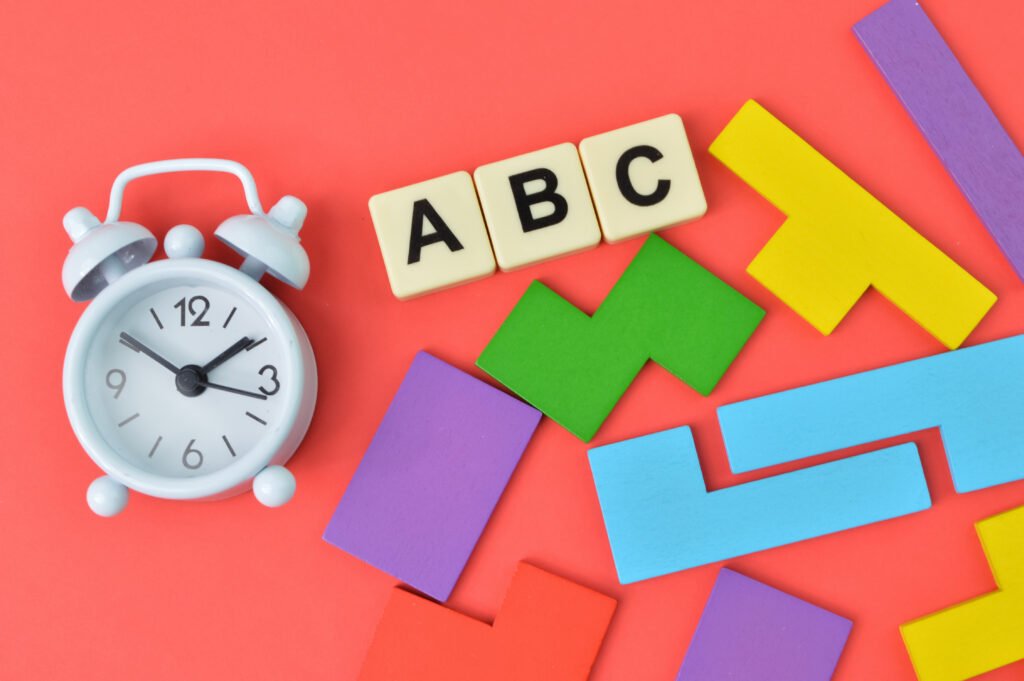
- Beginning to understand time concepts (morning, night, yesterday, tomorrow)
- Counting to 10 (though not always in order!)
- Recognizing some letters, especially those in their name
- Playing simple matching and memory games
Social-Emotional Development:
- Playing cooperatively with other children (for short periods)
- Beginning to share and take turns (with reminders)
- Expressing emotions with words (not just tantrums)
- Showing affection for friends spontaneously
- Understanding basic rules and routines
- Becoming more independent with self-care
Important reminder: Every child develops at their own pace. Some 3-year-olds know all their letters; others show zero interest. Both are completely normal. Your job isn’t to push academics—it’s to provide rich experiences and follow your child’s interests.
The 6 Essential Learning Areas for Preschool (Ages 3-4)
Let’s break down what your 3-4 year old curriculum should cover. Remember: at this age, everything happens through PLAY and EXPLORATION, not worksheets and drills.

Early Literacy (Building a Love of Books & Letters)
At ages 3-4, literacy is about surrounding your child with language and print—not teaching them to read.
What this looks like:
- Reading picture books together every single day
- Pointing out letters in their environment (“Look! Target starts with T—like your name!”)
- Recognizing some letters, especially the first letter of their name
- Understanding that print has meaning
- Learning to hold a book correctly and turn pages
- Beginning to rhyme and play with sounds
- “Writing” with scribbles that might include some letter-like shapes
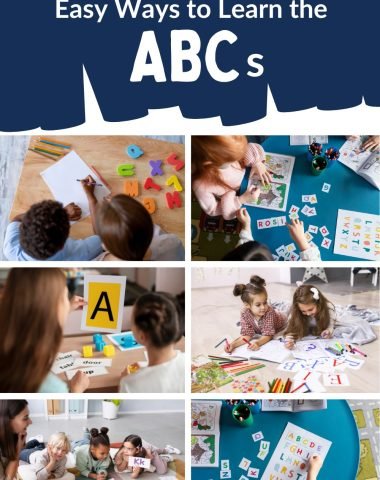
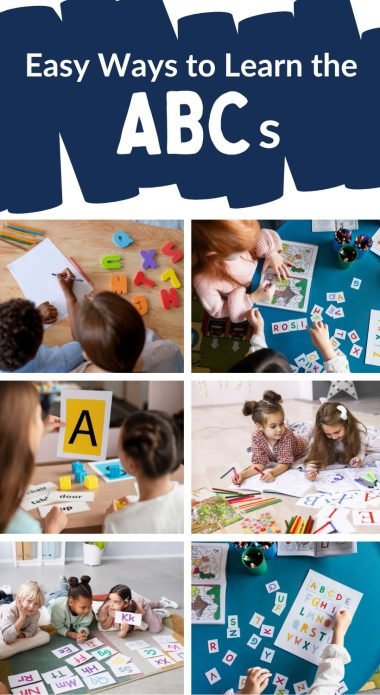
Real-life preschool activities: Create a cozy reading nook with pillows and books at your child’s level. Read the same favorite books over and over (repetition builds literacy!). Sing alphabet songs during car rides. Point to words while you read. Let them “write” grocery lists with you. Play “I Spy” with beginning sounds: “I spy something that starts with /b/… ball!”
Your preschooler is ready for more structured literacy when they:
- Can sit through a 10-15 minute story
- Show interest in letters
- Ask “What does that say?”
- Try to write letters (even if they’re backwards or upside down)
📚 Deep dive: Preschool Literacy Activities for Ages 3-4: Letter Recognition Made Fun
Early Math Concepts (More Than Just Counting)
Preschool math is about building number sense—an intuitive feel for how numbers and quantities work.
What this looks like:
- Counting objects to 10 (and beyond for some)
- Recognizing numerals 1-5
- Understanding one-to-one correspondence (touching one object for each count)
- Comparing sizes: big/small, long/short, tall/short
- Sorting objects by one attribute (all the red ones, all the circles)
- Creating and extending simple patterns (red-blue-red-blue)
- Recognizing basic shapes: circle, square, triangle, rectangle
Real-life preschool activities: Count everything throughout your day: “Let’s count the stairs as we go up! One, two, three…” Sort toys by color or size during cleanup. Bake together and let them pour, measure, and count. Build with blocks and talk about shapes. Play with pattern blocks or colored bears. Set the table and count plates and forks together.
Math is everywhere: When you give them crackers for snack, count them. When you’re getting dressed, talk about which sock is longer. When you’re outside, find shapes in nature. The best preschool math curriculum is just intentional conversation about quantities, sizes, and patterns.
🔢 Get 50+ activities: Preschool Math for Ages 3-4: Hands-On Counting & Number Games
Science & Exploration (Nurturing Natural Curiosity)
Your 3-4 year old is a born scientist—everything is new and fascinating! Your role is to encourage observation, questioning, and hands-on exploration.
What this looks like:
- Observing nature and living things
- Asking questions about how things work
- Making simple predictions: “What will happen if…?”
- Exploring the five senses
- Learning about weather and seasons
- Understanding basic animal needs (food, water, shelter)
- Simple cause-and-effect relationships
Real-life preschool activities: Go on “nature detective” walks with a magnifying glass. Create a sensory bin with rice, beans, or water. Plant seeds in a clear cup and watch roots grow. Feed birds and observe them. Talk about the weather every morning. Freeze toys in ice and “rescue” them. Mix baking soda and vinegar. Observe shadows at different times of day.
The secret to preschool science: Follow your child’s interests! If they’re fascinated by bugs, spend a week learning about insects. If they love the moon, do moon activities. Curiosity-driven learning sticks.
🔬 Try these: 25 Simple Science Experiments for 3-4 Year Olds
Social-Emotional Skills (The Most Important Learning)
Here’s a truth bomb: social-emotional skills matter more than academics at this age. A child who can manage emotions, make friends, and handle frustration will succeed in school—even if they don’t know all their letters yet.
What this looks like:
- Naming basic emotions (happy, sad, mad, scared)
- Beginning to express feelings with words instead of just actions
- Learning to calm down when upset (with your help)
- Sharing and taking turns (with lots of reminders)
- Playing cooperatively with peers
- Following simple classroom rules
- Developing empathy: noticing when others are upset
Real-life preschool activities: Read books about feelings—there are hundreds of great options. Create a “feelings face” chart and check in daily: “How are you feeling today?” Practice deep breathing: “Smell the flower, blow out the candle.” Role-play social situations with stuffed animals. Narrate emotions when you see them: “Your friend looks sad. I wonder what happened?”
When conflicts happen: Use them as teaching moments. “You both want the same truck. What can we do? Can you take turns?” Coach, don’t rescue. These small moments build huge skills.
💗 Essential guide: Social-Emotional Learning for Preschoolers: Building Emotional Intelligence
Fine Motor Development (Strengthening Little Hands)
Strong fine motor skills are essential for future writing, self-care (buttoning, zipping), and confidence. The good news? Fine motor practice looks like fun.
What this looks like at ages 3-4:
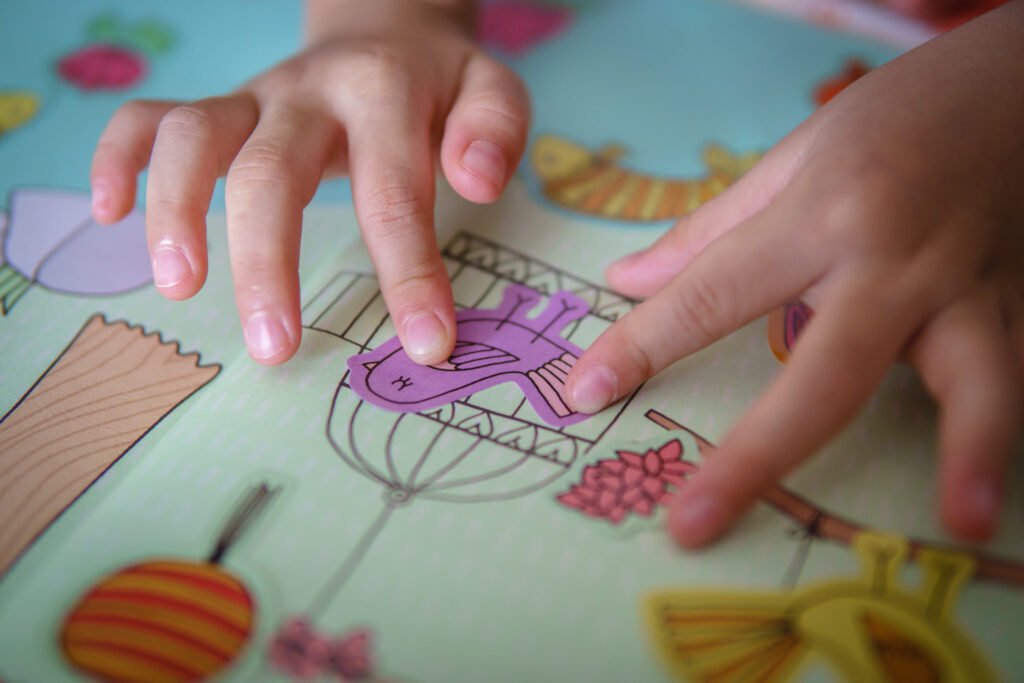
- Holding crayons with whole hand or emerging tripod grip
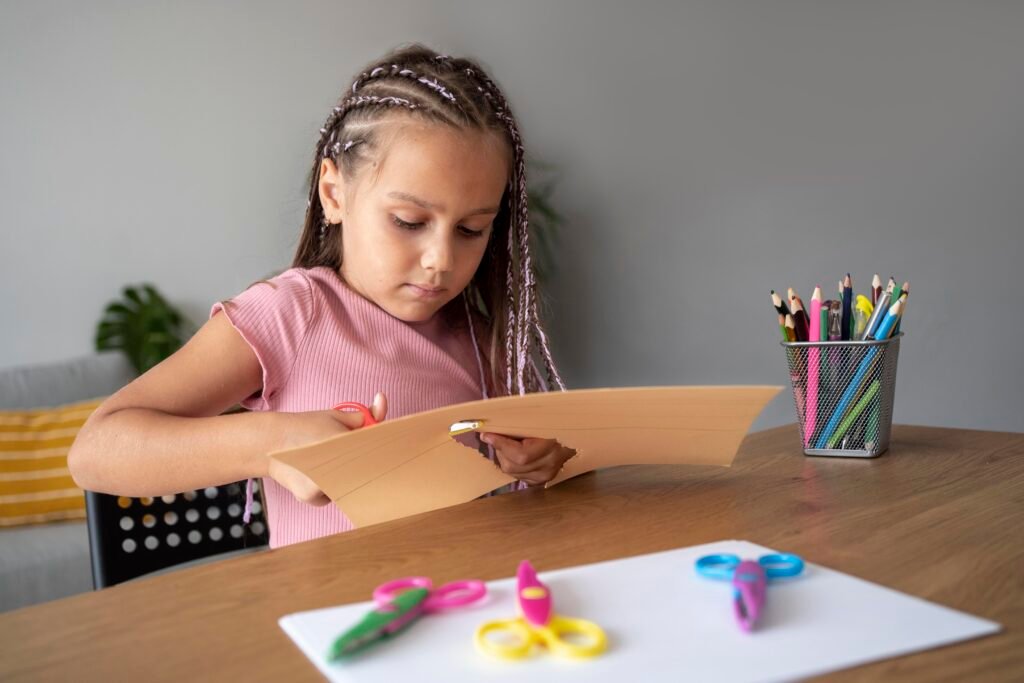
- Snipping paper with scissors (not necessarily on lines yet)
- Stringing large beads
- Completing 8-12 piece puzzles
- Building with duplos or large legos
- Beginning to trace simple shapes
- Using glue sticks
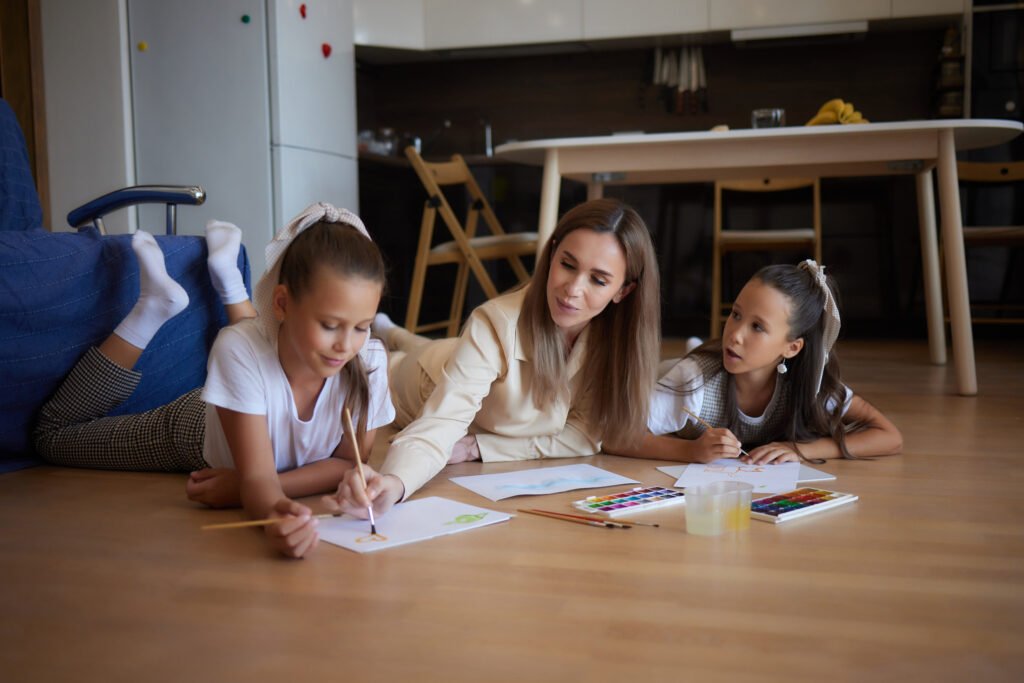
Real-life preschool activities: Play with playdough DAILY—it’s the #1 fine motor builder. Provide lots of opportunities to draw, color, and paint. Let them help in the kitchen: stirring, pouring, spreading. Use tongs or tweezers to pick up pompoms or cotton balls. Thread pasta onto yarn. Paint with cotton swabs. Tear paper into pieces for collages.
Scissor skills: Start with snipping straws or cutting playdough “snakes.” Progress to cutting along straight lines. Don’t worry about perfect cutting—they’re building hand strength.
✂️ Printables & activities: Fine Motor Skills for Ages 3-4: Exercises & Cutting Practice
Creative Arts (Expression & Joy)
Art isn’t an “extra” at this age—it’s how preschoolers process their world, express feelings, and develop creativity that will serve them for life.
What this looks like:
- Experimenting with different art materials (crayons, markers, paint, glue)
- Creating art that’s about the PROCESS, not a perfect product
- Moving and dancing to music
- Engaging in imaginative dramatic play
- Building and creating with open-ended materials
- Beginning to draw recognizable shapes (circles, lines) and maybe even people (stick figures)
Real-life preschool activities: Set up a simple art shelf with paper, crayons, and markers that they can access independently. Provide a bin of “loose parts” (cardboard tubes, bottle caps, fabric scraps) for building and creating. Have daily dance parties. Create a dramatic play area with dress-up clothes, play kitchen, or dolls. The key is OPEN-ENDED materials—no craft kits with specific end results.
Art at this age should be messy and free. Resist the urge to show them “the right way” to draw something. Let them experiment.
Year of ideas: Preschool Art Activities by Month (Ages 3-4)
Creating Your Preschool Daily Schedule (A Rhythm That Works)
The #1 question I hear from homeschool moms and new preschool teachers: “How long should preschool be?”
The honest answer: 2-3 hours of structured learning is plenty for ages 3-4.
Your preschooler doesn’t need a 6-hour school day. They need short bursts of focused activities mixed with plenty of free play, outdoor time, and rest.
Sample Half-Day Preschool Schedule (Morning Program)
This is a flexible framework—adapt it to your life!
9:00-9:15 – Arrival & Free Play Children arrive, put away belongings, choose a quiet activity (puzzles, books, blocks)
9:15-9:30 – Circle Time
- Greeting song
- Calendar and weather
- Story time (one short book)
- Movement song
9:30-10:00 – Learning Centers / Activity Time Rotate through 2-3 activities:
- Art table (open-ended creating)
- Sensory bin or playdough
- Themed activity (math game, science experiment, literacy activity)
10:00-10:15 – Snack Time Practice social skills: serving, saying please/thank you, conversation
10:15-10:45 – Outdoor Play / Gross Motor Free play outside, or indoor gross motor activities if weather is bad
10:45-11:00 – Closing Circle
- Review what we learned
- Sing goodbye song
- Reminder of tomorrow’s theme
Sample Preschool Schedule for Homeschool Families
Morning:
- 8:30 – Breakfast together (practice counting, colors, conversation)
- 9:00 – Get dressed, brush teeth (self-help skills practice)
- 9:30 – Circle time at home (10 minutes: calendar, weather, story)
- 9:45 – One focused activity (literacy, math, or themed craft – 15-20 minutes)
- 10:00 – Free play while you do chores
- 10:30 – Outdoor play or park visit
Afternoon:
- 12:00 – Lunch
- 1:00 – Quiet time/nap
- 3:00 – Snack + another short activity OR completely free play
- 4:00 – Help with dinner prep (practical life skills + math)
Total “school time”: maybe 45 minutes of structured activities. The rest is play-based learning woven into your day.
The Secret to Successful Preschool Schedules
Three non-negotiables:
- Consistency in rhythm (not rigid times, but predictable order)
- Balance of active and quiet activities
- LOTS of unstructured free play (this is where deep learning happens)
At ages 3-4, free play isn’t wasted time—it’s essential brain development time. They need to get bored, create their own games, and problem-solve independently.
Get Free Learning Activities!
Join thousands of parents and teachers who receive our best activities, tips, and printables every week. Plus, get instant access to our exclusive resource library!
No spam, ever. Unsubscribe anytime.
Month-by-Month Preschool Curriculum Themes (Your Year Roadmap)
Themes give your preschool year structure and make planning easier. Here’s a proven framework:
September: All About Me & My Family
- Learning names, families, homes
- Self-portraits, family trees
- Activities: name recognition, family counting, “my favorites” book
October: Fall & Harvest
- Leaves, apples, pumpkins, autumn changes
- Colors of fall, life cycle of pumpkins
- Activities: leaf rubbings, apple taste test, pumpkin math
November: Gratitude & Community Helpers
- Thankfulness, helpers in our community
- Simple community roles (teacher, firefighter, mail carrier)
- Activities: thankful tree, dramatic play community roles
December: Winter & Celebrations
- Winter weather, holidays (keep culturally inclusive)
- Acts of kindness and giving
- Activities: snowflake art, winter sensory bins, kindness activities
January: Winter Animals
- Polar animals, hibernation
- How animals stay warm
- Activities: penguin crafts, arctic sensory play, animal sorting
February: Friendship & Feelings
- Emotions, being a good friend
- Valentine’s kindness (not just romance)
- Activities: feelings faces, friendship books, heart counting
March: Spring & Growth
- Seeds, plants, life cycles
- Spring weather changes
- Activities: plant seeds, observe growth, spring nature walks
April: Farm Animals & Baby Animals
- Farm life, animal babies
- What animals need (food, water, shelter)
- Activities: dramatic play farm, animal sounds, baby animal matching
May: Bugs & Insects
- Insect observation, parts of insects
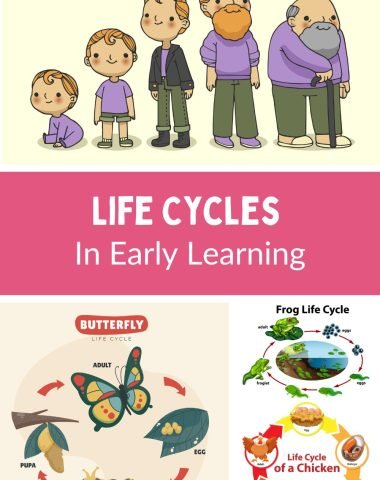
- Butterfly life cycle
- Activities: bug hunt, create insects with shapes, caterpillar counting
June: Ocean & Beach (or Summer Fun)
- Ocean animals, water cycle
- Beach safety, summer activities
- Activities: ocean sensory bin, fish counting, summer safety discussions
July: Transportation (Summer Option)
- Cars, trucks, planes, boats
- How things move
- Activities: vehicle sorting, create vehicles with blocks, transportation sounds
August: Getting Ready for Pre-K
- Review of letters and numbers
- Practice routines and independence
- Activities: kindergarten readiness games, review activities
Get complete lesson plans: Month-by-Month Preschool Curriculum with Activities
How to Assess Your Preschooler’s Progress (Without Formal Testing)
At ages 3-4, assessment looks like observation, documentation, and celebration—not tests or grades.
Simple Assessment Methods:
- Observation Notes Keep a simple notebook. Jot down moments when you notice growth:
- “Today Jamie held scissors correctly for the first time!”
- “Counted to 8 independently during snack”
- “Shared toys with friend without prompting”
- Photo Documentation Take photos of your child’s work, play, and milestones. Create a simple digital folder organized by month. You’ll be amazed at the progress when you look back.
- Work Samples Save a few pieces of artwork or writing samples each month. Date them. By May, you’ll see dramatic growth in their fine motor skills and creativity.
- Milestone Checklist Use a simple checklist of age-appropriate skills. Check off what they can do, but don’t stress about what they can’t yet do.
Remember: Progress isn’t linear. Some months your child will have huge leaps. Other months they’ll seem to plateau while their brain consolidates learning. Both are normal.
Choosing a Preschool Curriculum: Paid vs. Free Options
You have three main paths:
Option 1: Use a Complete Paid Curriculum Pros: Everything is planned for you, well-organized, professional Cons: Can be expensive ($200-500/year), might not match your teaching style Best for: Teachers needing structure, homeschool moms wanting a complete package
Option 2: Use Free Resources & Create Your Own Pros: Totally free, customizable to your child Cons: Requires more planning time Best for: Creative teachers, those on tight budgets
Option 3: Hybrid Approach (Our Recommendation) Use a paid curriculum for structure + supplement with free resources Pros: Best of both worlds, flexibility with support Cons: Requires some curation Best for: Most families and teachers
Our eBookStorify Preschool Curriculum is designed specifically for the hybrid approach—giving you the structure and lesson plans you need, with flexibility to adapt and add your own touches.
Essential Materials for Preschool at Home or in the Classroom
You don’t need to spend a fortune. Here’s what actually matters:
Must-Have Materials (Under $50 to start):
- Crayons, markers, colored pencils
- White and colored construction paper
- Child-safe scissors
- Glue sticks and liquid glue
- Playdough (homemade is fine!)
- Building blocks or duplos
- Age-appropriate puzzles (4-12 pieces)
- Picture books (library is perfect!)
Nice-to-Have Materials:
- Watercolor paints
- Pom poms, pipe cleaners, buttons for crafts
- Sensory bin materials (rice, beans, water beads)
- Magnetic letters
- Number manipulatives (counting bears, blocks)
- Dress-up clothes for dramatic play
Free/Cheap Alternatives:
- Use recyclables for art (cardboard boxes, egg cartons, bottle caps)
- Make playdough with flour, salt, water, and food coloring
- Print free worksheets and activities (we have tons!)
- Create games with household items
Frequently Asked Questions About Preschool Curriculum (Ages 3-4)
How long should preschool be for a 3-4 year old? 2-3 hours of structured learning time is ideal. This includes circle time, activities, snack, and outdoor play. The rest of the day should be free play, naps, meals, and family time. Preschoolers have short attention spans (about 10-15 minutes for focused activities), so keep lessons brief and hands-on.
What’s the difference between preschool and Pre-K? Preschool typically serves ages 3-4 and focuses on socialization, play-based learning, and basic skills. Pre-K serves 4-5 year olds and has more structure with a focus on kindergarten readiness. Pre-K introduces more academic skills like letter sounds, writing, and advanced counting. Learn more in our complete Pre-K Curriculum Guide.
Should my 3-year-old know letters and numbers? Some 3-year-olds show interest in letters and numbers; others don’t. Both are normal! By age 4, most children recognize some letters (especially those in their name) and can count to 10. But if your child isn’t there yet, don’t panic. Surround them with print and numbers through play, and the skills will come.
Can I homeschool preschool if I’m not a teacher? Absolutely! You don’t need a teaching degree to provide an excellent preschool education. You just need love, patience, and a willingness to play and explore alongside your child. Our Complete Guide to Homeschool Preschool walks you through everything step-by-step.
How do I know if my child is ready for preschool? Most children are developmentally ready for preschool around age 3. Signs of readiness include: basic communication skills, ability to separate from parents for short periods, some independence with toileting (though accidents are okay!), and interest in other children. Trust your gut—you know your child best.
What if my child won’t sit for circle time? Totally normal for 3-year-olds! Keep circle time short (5-10 minutes maximum), make it interactive with songs and movement, and don’t force it. Some children need to move and listen—let them stand or wiggle. As they mature, their ability to sit and focus will increase naturally.
Conclusion: You’ve Got This!
Creating a rich preschool experience for your 3-4 year old doesn’t require perfection—it requires presence, playfulness, and patience.
Remember these core truths:
- Play IS learning at this age
- Relationships matter more than curriculum
- Progress isn’t always visible or linear
- You don’t need expensive materials—you need intention
- Every child develops at their own pace
Whether you’re teaching one child at home or a classroom of preschoolers, you’re giving them the gift of curiosity, confidence, and a love of learning that will last a lifetime.
Ready to get started? Download our Complete Preschool Curriculum with lesson plans, printables, and activities for every week of the year.
Keep learning with these resources:
- Toddler Alphabet Workbook – Animal Sounds Habitats Dot Marker Tracing Fine Motor Ages 2-4
- Pre-K Kindergarten Animal Alphabet Workbook – Habitats Tracing Handwriting Dot Marker
- My Busy Book – Cut Match Activities for Preschool and Kindergarten
- Preschool Skills Assessment – Pre-K Portfolio Kindergarten Readiness
- Ultimate Homeschool Planner – Complete Learning Kit
Looking for monthly and seasonal preschool unit themes? We also offer monthly preschool and Pre-K curriculum units with ready-to-use lesson plans, printables, and activities for themes like Back to School, Thanksgiving, Christmas, Fall, Winter, Spring, Easter, and more.
👉 Explore our Monthly Preschool Curriculum Units ★