
Description
Target Audience: Homeschool moms + Preschool teachers + Parents + Daycare providers
Primary Keyword: “social emotional learning pre-k” (2,100 searches/mês)
Secondary Keywords: “teaching emotions 4 year old”, “kindergarten readiness social skills”, “pre-k behavior management”, “emotional intelligence preschool”
Meta Description (160 caracteres): “Pre-K social-emotional learning for ages 4-5. Teaching self-regulation, friendship skills, problem-solving & kindergarten-ready emotional intelligence!”
Your four-year-old is navigating a more complex social world than ever before. They’re making real friendships, handling bigger disappointments, managing stronger emotions, and learning to be part of a group. Some days they amaze you with their empathy and maturity. Other days, they melt down over a broken cracker.
Welcome to the most critical year of social-emotional development before kindergarten—the year when everything you’ve been building comes together. When tantrums (mostly) transform into words. When “mine!” becomes “let’s share.” When big feelings become manageable with the right tools and support.
Here’s what kindergarten teachers will tell you: Academic skills matter, but social-emotional skills determine success. A child who can read but can’t handle frustration will struggle. A child who doesn’t know all their letters but can make friends, follow directions, and persist through challenges will thrive.
Whether you’re a homeschool mom preparing your Pre-K child, a preschool teacher shaping young learners, or a parent supporting your child’s final year before kindergarten, this guide gives you the tools to build emotional intelligence that lasts a lifetime.
What you’ll discover:
- The 5 core social-emotional competencies for Pre-K
- Developmental expectations for ages 4-5 (what’s realistic)
- Teaching self-regulation and emotional control
- Building friendship skills and empathy
- Problem-solving strategies for 4-5 year olds
- Managing challenging behaviors positively
- 40+ activities that build emotional intelligence
- Scripts for common difficult situations
- How to prepare emotionally for kindergarten
Let’s raise emotionally intelligent, kind, confident children who are ready for school and life.
Why Social-Emotional Learning Is THE Most Important Pre-K Skill
Ask any kindergarten teacher: “What do you wish incoming students had?” They won’t say “more letter knowledge” or “better counting skills.” They’ll say:
“I wish they could manage their emotions.”
“I wish they could make friends and resolve conflicts.”
“I wish they could handle disappointment without falling apart.”
“I wish they could ask for help and persist when things are hard.”
Social-emotional skills ARE kindergarten readiness.
What Research Shows
Children with strong social-emotional skills:
- Perform better academically (can focus, persist, learn)
- Have better relationships throughout life
- Experience less anxiety and depression
- Are more successful in careers
- Have better physical health
- Show lower rates of behavioral problems
The foundation is built NOW—ages 4-5.
The Pre-K Social-Emotional Advantage
At ages 4-5, children’s brains are primed for social-emotional learning:
- Language explosion = can express feelings with words
- Theory of mind developing = beginning to understand others’ perspectives
- Executive function growing = better impulse control (emerging!)
- Social awareness increasing = want to fit in, please, be liked
- Empathy solidifying = genuinely care about others’ feelings
This is the IDEAL window for teaching emotional intelligence.
The 5 Core Social-Emotional Competencies for Pre-K
Based on the CASEL framework (Collaborative for Academic, Social, and Emotional Learning), here’s what 4-5 year olds need to develop:
1. Self-Awareness (Understanding My Emotions)
What this means: Recognizing and naming emotions in themselves. Understanding what triggers feelings. Beginning to understand their own strengths, preferences, and needs.
Ages 4-5 Developmental Expectations:
Beginning of Pre-K:
- Names basic emotions (happy, sad, mad, scared)
- Recognizes emotions in themselves (when prompted)
- Beginning to identify what makes them feel certain ways
End of Pre-K:
- Names complex emotions (frustrated, disappointed, excited, nervous, proud, jealous)
- Can explain WHY they feel a certain way
- Recognizes emotions in pictures and books
- Understands that everyone has feelings
- Beginning to recognize physical signs of emotions (heart beating fast = nervous)
What this looks like: “I’m frustrated because I can’t get this puzzle piece to fit.”
“I feel excited because we’re going to the park!”
“That character looks worried because the dog ran away.”
How to build this:
- Daily feelings check-ins (“How are you feeling today?”)
- Read books about emotions
- Name emotions when you see them (“You look disappointed that we can’t go outside”)
- Use feelings charts and emotion faces
- Talk about what triggers emotions
2. Self-Management (Controlling My Actions & Emotions)
What this means: Regulating emotions, managing impulses, delaying gratification, calming down when upset, following rules and routines, showing persistence.
This is THE hardest competency for Pre-K children—and the most important for kindergarten!
Ages 4-5 Developmental Expectations:
Beginning of Pre-K:
- Calms down with adult support (needs help with calming strategies)
- Can wait short periods with reminders
- Follows familiar routines
- Beginning to use words instead of hitting/grabbing (emerging)
- Persistence is limited (gives up quickly when frustrated)
End of Pre-K:
- Calms down independently SOMETIMES (uses taught strategies)
- Waits turn without constant reminders (improving!)
- Transitions between activities with minimal meltdowns
- Uses words to express needs instead of physical aggression (most of the time)
- Shows increased persistence (“I’ll keep trying!”)
- Follows classroom rules consistently
Important Reality Check: Even at end of Pre-K, self-regulation is EMERGING—not mastered! 4-5 year olds still have limited impulse control. Their prefrontal cortex (brain area for self-control) is still developing and won’t mature until age 25!
Realistic Expectations:
- They WILL still have meltdowns (less frequent, shorter duration)
- They WILL still need reminders about rules and waiting
- They WILL still struggle with transitions sometimes
- They WILL still act impulsively
Your job: Teach strategies, provide support, celebrate small victories, be patient.
What this looks like: “I’m feeling really mad, so I’m going to take deep breaths.” (uses strategy independently)
“Can I have a turn when you’re done?” (uses words instead of grabbing)
“This is hard, but I’m going to keep trying!” (persistence)
How to build this:
- Teach specific calming strategies (deep breathing, counting, squeezing hands)
- Create calm-down corner with tools
- Practice waiting games
- Use timers for turn-taking
- Model self-regulation yourself
- Celebrate when they use strategies
3. Social Awareness (Understanding Others’ Feelings)
What this means: Recognizing emotions in others. Showing empathy and compassion. Understanding different perspectives. Respecting differences.
Ages 4-5 Developmental Expectations:
Beginning of Pre-K:
- Recognizes obvious emotions in others (“She’s crying—she’s sad”)
- Shows empathy when prompted (“Give your friend a hug”)
- Beginning to understand that others have different feelings
- Notices when someone is hurt or upset
End of Pre-K:
- Identifies subtle emotions in others (worried, frustrated, disappointed)
- Shows empathy spontaneously (offers comfort without being told)
- Understands that people can feel differently about the same thing
- Recognizes that their actions affect others’ feelings
- Shows respect for differences (appearance, abilities, preferences)
- Beginning theory of mind (understanding others have different thoughts/knowledge)
What this looks like: “My friend looks sad. I’m going to ask if she’s okay.”
“I think he’s frustrated because the tower keeps falling.”
“I don’t like broccoli, but my friend does. That’s okay—we like different things!”
How to build this:
- Read books and discuss characters’ feelings
- Role-play with toys or puppets
- Ask “How do you think they feel?” questions
- Point out emotions in real situations
- Model empathy and compassion
- Discuss how actions affect others
4. Relationship Skills (Making Friends & Working Together)
What this means: Building positive relationships, communicating effectively, cooperating, resolving conflicts, asking for help, resisting peer pressure.
Ages 4-5 Developmental Expectations:
Beginning of Pre-K:
- Has one or two preferred playmates
- Plays cooperatively for short periods
- Shares with reminders
- Takes turns in games (with adult support)
- Participates in group activities
- Beginning to resolve conflicts with coaching
End of Pre-K:
- Has multiple friendships
- Initiates play with peers (“Can I play with you?”)
- Shares and takes turns without constant reminders
- Plays cooperatively for extended periods (20+ minutes)
- Works in small groups on projects
- Uses words to resolve conflicts (with some adult support)
- Asks for help appropriately
- Shows kindness and inclusion
What this looks like: “Can I play blocks with you?”
“Let’s take turns—you go first, then me.”
“I don’t like when you take my toy. Please ask next time.”
“Can someone help me with this puzzle?”
How to build this:
- Facilitate cooperative play opportunities
- Teach friendship skills explicitly
- Model and practice conflict resolution
- Use games that require cooperation
- Celebrate kind behavior
- Create opportunities for group work
5. Responsible Decision-Making (Making Good Choices)
What this means: Making choices based on safety, social norms, and ethical considerations. Understanding consequences. Problem-solving.
Ages 4-5 Developmental Expectations:
Beginning of Pre-K:
- Makes simple choices between two options
- Beginning to understand cause and effect
- Follows safety rules (with reminders)
- Knows basic right from wrong (hitting is wrong, sharing is good)
End of Pre-K:
- Makes decisions considering consequences (“If I push, my friend will be sad”)
- Solves simple problems with guidance
- Follows safety rules independently (mostly!)
- Understands ethical concepts (fairness, honesty, kindness)
- Thinks before acting (emerging skill—still impulsive!)
- Seeks help when needed
What this looks like: “I want to climb higher, but Mom said it’s not safe. I’ll stay here.”
“If I share my crayons, my friend will be happy.”
“This is too hard. I need help.”
How to build this:
- Offer choices throughout the day
- Discuss consequences of actions
- Practice problem-solving together
- Read books about making good choices
- Role-play decision-making scenarios
- Praise good decisions
The Pre-K Emotional Development Timeline
Here’s what’s realistic to expect throughout the Pre-K year:
August/September: Foundation & Assessment
- Names 4-6 emotions
- Has meltdowns but recovers with support
- Parallel play transitioning to cooperative play
- Follows rules with reminders
- Shows empathy when prompted
October/November: Growing Skills
- Names 8-10 emotions
- Beginning to use calming strategies (with reminders)
- Cooperative play for 10-15 minutes
- Shares with fewer reminders
- Shows spontaneous empathy
December/January: Increasing Control
- Identifies emotions in others more accurately
- Uses calming strategies sometimes independently
- Resolves simple conflicts with coaching
- Works in small groups with support
- Fewer meltdowns, shorter duration
February/March: Solidifying
- Complex emotion vocabulary (frustrated, disappointed, proud)
- Self-regulates with decreasing support
- Maintains friendships
- Problem-solves with guidance
- Shows consistent kindness
April/May: Kindergarten Ready!
- Strong emotional vocabulary and awareness
- Uses calming strategies independently (sometimes)
- Makes and keeps friends
- Resolves many conflicts without adult intervention
- Shows empathy, kindness, cooperation consistently
- Follows group expectations
- Ready for kindergarten social-emotional demands!
Remember: This is the IDEAL progression. Every child develops at their own pace. Some 4-year-olds have remarkable self-control; some 5-year-olds are still working on it. Both are normal.
Teaching Self-Regulation (The #1 Kindergarten Readiness Skill)
Self-regulation—the ability to manage emotions and behavior—is the most critical skill for kindergarten success. Here’s how to teach it.
The Zones of Regulation Framework
This is one of the most effective approaches for teaching emotional regulation to young children.
Four Zones (Explained Simply for Kids):
Blue Zone = Slow/Sad Body feels: tired, sick, sad, bored Energy: low Example: “When you’re in the blue zone, you might feel sleepy or sad.”
Green Zone = Just Right Body feels: calm, happy, focused, ready to learn Energy: just right Example: “Green zone is when you feel calm and ready. This is the best zone for learning!”
Yellow Zone = Starting to Lose Control Body feels: frustrated, worried, silly, excited Energy: higher Example: “Yellow zone is when you’re starting to feel big feelings. You’re not in trouble, but you need to use your tools!”
Red Zone = Out of Control Body feels: very angry, terrified, panicked, explosive Energy: extremely high Example: “Red zone is when your feelings are SO BIG you can’t control your body. Everyone goes to red zone sometimes—it’s okay!”
The Goal: Help children recognize which zone they’re in and use strategies to get back to green.
Calming Strategies to Teach
Breathing Techniques:
- Balloon Breathing “Pretend your belly is a balloon. Breathe in and make it big! Breathe out and make it small.”
- Smell the Flower, Blow Out the Candle “Breathe in like you’re smelling a flower. Breathe out like you’re blowing out birthday candles.”
- Five-Finger Breathing Hold up one hand. Use other finger to trace: breathe in going up each finger, breathe out going down. Do all five fingers.
- Square Breathing Trace a square in the air. Breathe in (up), hold (across), breathe out (down), hold (across).
Physical Strategies:
- Progressive Muscle Relaxation “Squeeze your hands into tight fists! Now let them go loose like noodles. Squeeze your shoulders up to your ears! Now drop them down.”
- Yoga Poses Tree pose, child’s pose, cat/cow, downward dog. Movement + breathing = powerful calming.
- Heavy Work Push against wall, squeeze playdough, carry heavy books, do wall push-ups. Proprioceptive input calms nervous system.
- Movement Breaks Jump, spin, run in place, dance. Release energy before calming.
Sensory Strategies:
- Calm-Down Jar Glitter jar. Shake it up. Watch glitter settle while taking deep breaths. Visual + breathing.
- Sensory Bin Rice, beans, water beads, sand. Tactile sensory input is calming.
- Fidgets Stress balls, squishy toys, therapy putty. Something to manipulate with hands.
- Calm-Down Corner Designated space with calming tools: books, stuffed animals, sensory items, pillows.
Cognitive Strategies:
- Counting Count to 10 slowly. Count backwards from 10. Count objects in the room.
- Positive Self-Talk “I can handle this.” “I’m okay.” “This feeling will pass.” “I’m safe.”
- Asking for Help “I need help.” “I need a break.” “Can I go to the calm-down corner?”
The key: Teach these strategies when child is CALM. Practice regularly. Then remind them to use strategies when they’re starting to escalate (yellow zone).
Creating a Calm-Down Corner
Every Pre-K classroom and home should have a calm-down space.
What to include:
- Soft seating (bean bag, pillows, cushions)
- Calming sensory items (glitter jar, stress balls, fidgets)
- Breathing tools (pinwheel, bubble bottle, visual breathing guides)
- Books about emotions
- Stuffed animal to hug
- Feelings chart
- Timer (for time limits if needed)
How to use it: “I see you’re feeling really frustrated. Do you want to go to the calm-down corner? You can use your breathing, hug the teddy, or look at the glitter jar. When you feel calmer, come back and we’ll talk.”
NOT a punishment! It’s a support tool. Frame it positively.
Get Free Learning Activities!
Join thousands of parents and teachers who receive our best activities, tips, and printables every week. Plus, get instant access to our exclusive resource library!
No spam, ever. Unsubscribe anytime.
Teaching Friendship Skills & Conflict Resolution
Making and keeping friends is a critical Pre-K skill. Here’s how to teach it explicitly.
The 5 Essential Friendship Skills
- Joining Play Wrong: Walking up and grabbing a toy or disrupting play
Right: “Can I play with you?” or “That looks fun! Can I join?”
Practice: Role-play with stuffed animals. Model appropriate ways to ask to join.
- Sharing & Turn-Taking Use timers, verbal agreements, and natural consequences.
“You can play with the truck for 3 minutes, then it’s his turn. I’ll set the timer.”
Practice: Games that require turn-taking (board games, passing a ball).
- Using Kind Words Teach specific phrases:
- “Please”
- “Thank you”
- “Can I have a turn?”
- “I’m sorry”
- “Are you okay?”
Practice: Daily modeling and role-play.
- Reading Social Cues Help children notice:
- Body language (crossed arms = upset, smile = happy)
- Tone of voice
- Facial expressions
- Personal space
Practice: “Look at her face. How do you think she feels?”
- Including Others “Your friend looks lonely. Want to invite her to play?”
Practice: Celebrate inclusive behavior. Model it yourself.
The 4-Step Conflict Resolution Process
When conflicts arise (and they will!), coach children through this process:
Step 1: Stop & Calm Down “Everyone stop. Take deep breaths. Let’s calm down first.”
(Can’t problem-solve when dysregulated!)
Step 2: Each Person Shares Their Feelings “[Child 1], how do you feel? [Child 2], how do you feel?”
Use “I feel” statements: “I feel mad because you took my toy.”
Step 3: Brainstorm Solutions Together “What can we do to solve this problem?”
- Take turns
- Play together
- Find a different toy
- Ask for help
Step 4: Choose a Solution & Try It “Which solution should we try? Okay, let’s try taking turns with the timer.”
Your role:
- Ages 4: Heavy coaching, you guide the whole process
- Ages 5: Light coaching, they lead with your support
- By kindergarten: Some conflicts resolved without you!
Scripts for Common Conflict Situations
Scenario: Toy Grabbing
Wrong response: “Don’t grab! That’s mean! Give it back!”
Right response: “I see you both want the truck. [To grabber] You grabbed it from your friend. That made him sad. Use your words. Say: ‘Can I have a turn when you’re done?'”
[Practice the phrase together]
“[To other child] When you’re done with your turn, please give him a turn.”
Scenario: Hitting When Angry
Wrong response: “We don’t hit! Time out!”
Right response: [Stop the hitting immediately, calmly but firmly]
“I won’t let you hit. Hitting hurts. Your body is telling me you’re very angry. Let’s use words. Say: ‘I’m mad because you knocked down my tower.'”
[After calming] “When you’re angry, you can stomp your feet, squeeze a stress ball, or ask for help. You may NOT hit. Let’s practice. Show me what you can do when you’re angry.”
Scenario: Exclusion (“You can’t play!”)
Wrong response: “Be nice! Let them play!”
Right response: “I heard you say they can’t play. That hurt their feelings. Everyone can play together. [To excluded child] You can say: ‘I want to play too. Can I join?'”
[Facilitate inclusion] “How can we make room for everyone?”
40+ Social-Emotional Learning Activities for Pre-K
These activities build emotional intelligence through play, practice, and discussion.
Self-Awareness Activities
- Feelings Check-In Chart Visual chart with emotion faces. Each morning: “How are you feeling today? Show me on the chart.”
- Emotion Charades Act out emotions. Others guess. Fun way to practice recognizing and expressing feelings!
- Feelings Faces Mirror Make faces in the mirror. “Show me happy. Show me sad. Show me surprised!” Discuss what each looks like.
- Emotion Story Time Read books about feelings. Discuss characters’ emotions. Relate to own experiences.
Great emotion books:
- “The Way I Feel” by Janan Cain
- “In My Heart” by Jo Witek
- “When Sophie Gets Angry” by Molly Bang
- “The Color Monster” by Anna Llenas
- Feelings Journal Draw or dictate: “Today I felt ___ because ___.”
- Emotion Photo Cards Show photos of people showing different emotions. Identify and discuss.
- “I Feel…” Statements Practice: “I feel [emotion] when [situation].” “I feel happy when we go to the park.” “I feel frustrated when I can’t tie my shoes.”
- Body Scan “How does your body feel when you’re angry? When you’re calm?” Connect physical sensations to emotions.
Self-Management Activities
- Breathing Buddies Lie down with stuffed animal on belly. Breathe and watch it go up and down.
- Glitter Calm-Down Jar Make together. Use when upset. Watch glitter settle while breathing.
- Feelings Thermometer Visual scale: blue (calm), yellow (getting upset), red (very upset). “Where are you on the thermometer?”
- Yoga for Kids Simple poses that combine movement and breathing. Cosmic Kids Yoga is great!
- Calming Box Box with calming items: stress ball, pinwheel, fidget, calm-down cards.
- Stop & Think Practice stopping before acting. Game: “Red light!” (stop), “Yellow light!” (think), “Green light!” (go).
- Waiting Games “Musical Statues”: Freeze when music stops. Builds impulse control!
- Turn-Taking Board Games Candy Land, Chutes and Ladders. Practice waiting patiently.
- Mindfulness Activities Listen to a bell ring until you can’t hear it anymore. Notice 5 things you see, 4 things you hear, 3 things you touch.
Social Awareness Activities
- Feelings Detective Look at pictures. “How do they feel? What clues tell you?”
- Empathy Scenarios “Your friend fell and hurt their knee. How do they feel? What can you do?”
- Perspective-Taking Stories “The girl wants to swing, but all the swings are full. How does she feel? What could others do?”
- Kindness Jar Each time someone does something kind, add a pompom to the jar. Celebrate when full!
- Compliment Circle Sit in circle. Each person gives a compliment to the person next to them.
- Emotion Matching Match photos of faces to emotion words. Discuss what they notice.
- Story Retelling with Emotions After reading, retell story focusing on characters’ feelings throughout.
Relationship Skills Activities
- Friendship Role-Play Use puppets or dolls. Practice friendship scenarios:
- Asking to play
- Sharing toys
- Resolving conflicts
- Cooperative Building Work together to build something. Must collaborate!
- Turn-Taking Timer Use visual timer for taking turns with toys. When timer beeps, switch!
- Friendship Books Read books about friendship:
- “Stick and Stone” by Beth Ferry
- “The Rainbow Fish” by Marcus Pfister
- “Enemy Pie” by Derek Munson
- Group Projects Work in small groups on art projects, puzzles, building. Practice cooperation.
- Sharing Practice Intentional sharing activities. Divide snacks fairly, share art supplies, take turns with special toys.
- Conversation Practice Teach back-and-forth conversation:
- Ask questions
- Listen to answers
- Take turns talking
- Partner Games Games that require partnership: three-legged race, passing ball back and forth, mirror game.
Responsible Decision-Making Activities
- Choice Board Offer choices throughout day. “Would you like to do puzzles or blocks?”
- Problem-Solving Stories Present scenarios: “You want to play with a toy your friend is using. What can you do?” Brainstorm solutions.
- Consequence Discussion “If we run inside, what might happen?” Discuss cause and effect.
- What Would You Do? Game Present dilemmas. Discuss options and consequences.
- Class Rules Creation Create classroom/home rules together. Discuss why each rule matters.
- Safety Scenarios “What should you do if you see a stranger?” Practice safety decision-making.
- Moral Dilemmas (Simple) “Your friend dropped their lunch. Do you share yours?” Discuss kindness and fairness.
- Reflection Time End of day: “What was a good choice you made today? What would you do differently?”
Managing Challenging Behaviors Positively
Pre-K children will test boundaries, have meltdowns, and make mistakes. Here’s how to respond positively while maintaining expectations.
The Positive Discipline Approach
Principles:
- Connection before correction
- Natural and logical consequences (not punishment)
- Focus on teaching, not punishing
- Respect the child while maintaining boundaries
Example:
Wrong approach: Child hits. Adult yells: “Go to time-out! You’re being bad!”
Right approach: Child hits. Adult calmly stops the hitting: “I won’t let you hit. Hitting hurts. You seem very angry. Let’s take some breaths together.” [After calming] “When you’re angry, you can use words, stomp your feet, or ask for help. Let’s practice. Show me what you can do instead of hitting.”
The difference: Teaching and supporting vs. shaming and isolating.
When to Use Consequences vs. Support
Use Consequences When:
- Rule is clear and child knew it
- Child made a choice (not an emotional reaction)
- Behavior was intentional
Example: Child deliberately dumps toys to avoid cleanup. Consequence: “The choice to dump the toys means you’ll clean them up, then you’ve chosen to skip outside time while you do that.”
Use Support When:
- Child is dysregulated (upset, overwhelmed)
- Behavior is developmental (impulsivity, emotional outburst)
- Child doesn’t have skills yet
Example: Child has meltdown because they can’t have a cookie before dinner. Support: “I see you’re really upset. It’s hard when we can’t have what we want. Let’s take some breaths. After dinner, you can have a cookie.”
The key: Distinguish between “can’t” (needs support) and “won’t” (needs consequence).
Scripts for Common Challenging Behaviors
Whining:
“I can’t understand you when you use that voice. Use your regular voice and I’ll be happy to help.”
[If continues] “I’ll wait until you use your regular voice.”
[When they do] “Thank you for using your regular voice! Now I can understand. What do you need?”
Defiance:
“I asked you to clean up the blocks. You said no. That’s not a choice right now. Cleaning up is what we do before snack. I’ll help you, but the blocks need to be put away.”
[Stay calm, follow through, offer help but not rescue]
Interrupting:
“I’m talking to [person]. When I’m done, I’ll listen to you. Can you wait?”
[Hold up hand gently to signal “wait”]
[When done] “Thank you for waiting! Now I can listen. What did you want to tell me?”
Rough Play:
“You’re playing too rough. Your friend said stop, so you need to stop. Gentle hands. Let me show you.”
[Model gentle touch]
“If you can’t use gentle hands, you’ll need to play somewhere else.”
Preparing Emotionally for Kindergarten
The final months of Pre-K are about building confidence and readiness for the bigger world of kindergarten.
The Emotional Skills Kindergarteners Need
✅ Can separate from parents/caregivers
✅ Follows multi-step directions
✅ Asks for help when needed
✅ Works independently for 10-15 minutes
✅ Plays cooperatively
✅ Shares and takes turns (mostly)
✅ Uses words to express needs
✅ Calms down with support
✅ Participates in group activities
✅ Shows respect for others
✅ Handles transitions and changes
✅ Recovers from disappointments
If your child can do most of these (not all—nobody’s perfect!), they’re emotionally ready for kindergarten.
Building Kindergarten Confidence
Talk Positively About Kindergarten: “In kindergarten, you’ll learn so many new things! You’ll make new friends, have a big playground, and read big kid books!”
Avoid: “You need to be ready for kindergarten!” (creates anxiety)
Visit the School: If possible, visit the school, meet the teacher, see the classroom. Familiarity reduces anxiety.
Practice Separation: If child struggles with separation, practice gradually:
- Short separations with trusted adults
- Drop-off playdates
- Small classes without parent
Role-Play Kindergarten Scenarios: “Let’s pretend you’re in kindergarten. You need help opening your lunchbox. What do you do?” (raise hand, ask teacher)
Read Books About Starting Kindergarten:
- “The Kissing Hand” by Audrey Penn
- “First Day Jitters” by Julie Danneberg
- “Kindergarten, Here I Come!” by D.J. Steinberg
Build Independence: Practice self-help skills: using bathroom independently, opening lunchbox, putting on jacket, etc.
Validate Feelings: “It’s okay to feel nervous about kindergarten. New things can be scary! But you’re ready, and you’re going to do great.”
Free Printable Social-Emotional Learning Resources
What’s included in our free Pre-K SEL pack:
- Feelings faces chart (12 emotions)
- Emotion identification cards
- Zones of Regulation visual
- Calm-down strategies poster
- “Today I feel…” daily check-in sheet
- Conflict resolution visual steps
- Friendship skills cards
- Social stories for common scenarios
Frequently Asked Questions About Pre-K Social-Emotional Learning
Is it normal for my 4-5 year old to still have meltdowns? Yes! Self-regulation is still developing. Meltdowns should decrease in frequency and duration throughout Pre-K year, but they won’t disappear completely. Even kindergarteners have occasional meltdowns—it’s part of development.
My child doesn’t want to share. How do I teach this? True sharing is hard at this age! Use strategies: turn-taking with timers, having duplicate toys, teaching phrases like “Can I have a turn when you’re done?” By end of Pre-K, sharing should improve, but it’s still emerging. Don’t expect perfection.
Should I force my child to say “sorry” after hurting someone? Forced apologies don’t teach empathy—they teach compliance. Instead: “You hurt your friend. Look at their face—they’re sad. What can we do to help them feel better?” Guide toward genuine empathy, not rote apologies.
My child hits when angry. What should I do? Immediately stop the hitting. Stay calm. “I won’t let you hit. Hitting hurts.” Help them calm down, then teach alternatives: “When you’re angry, use words, stomp feet, or ask for help.” Practice these strategies. Be consistent and patient—this takes time.
How do I know if my child is ready for kindergarten emotionally? Can they: separate from you for a few hours, follow directions, ask for help, play with others, use words (mostly) instead of hitting, calm down with support? If yes to most of these, they’re ready! Nobody’s perfect—emotional growth continues through elementary years.
My child seems anxious about kindergarten. How can I help? Validate feelings: “It’s okay to feel nervous.” Talk positively about kindergarten. Visit the school. Read books about starting school. Practice kindergarten skills (raising hand, standing in line). Build confidence in their abilities. But also: some anxiety is normal and okay!
Conclusion: You’re Raising Emotionally Intelligent Humans
Every time you help your child name a feeling, teach a calming strategy, coach through a conflict, or model empathy, you’re building skills that will serve them for life—not just kindergarten, but forever.
Social-emotional learning isn’t “extra.” It’s the FOUNDATION for everything else.
A child who can manage emotions, make friends, and persist through challenges will thrive in kindergarten and beyond. A child who knows all their letters but melts down constantly will struggle.
Remember:
- All feelings are okay; some behaviors are not
- Connection before correction
- Teach strategies, practice them, celebrate attempts
- Progress over perfection
- Every child develops at their own pace
- Your calm is their calm
- Emotional intelligence is teachable and learnable
You’re doing an incredible job. The fact that you’re here, learning about social-emotional development, shows how much you care. Keep going. Keep teaching. Keep supporting. Your Pre-K child is becoming an emotionally intelligent, kind, confident kindergartener.
Continue your Pre-K journey:
- Pre-K Kindergarten Animal Alphabet Workbook – Habitats Tracing Handwriting Dot Marker
- My Busy Book – Cut Match Activities for Preschool and Kindergarten
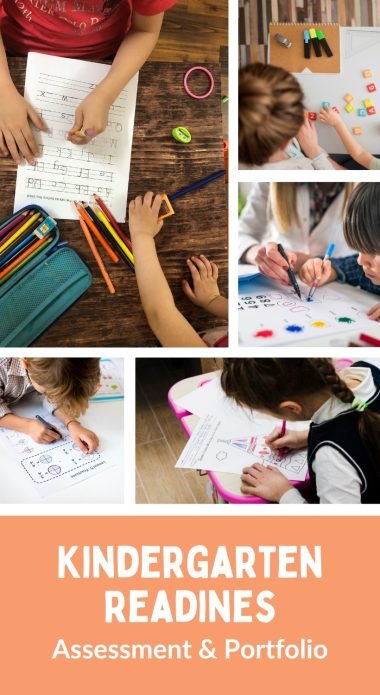
- Preschool Skills Assessment – Pre-K Portfolio Kindergarten Readiness
- Ultimate Homeschool Planner – Complete Learning Kit
Want social-emotional learning integrated into every day of your Pre-K year? Our Complete Pre-K Curriculum includes daily feelings check-ins, weekly SEL activities, conflict resolution strategies, calming techniques, and character education lessons—all woven seamlessly into academic learning. Because whole child education means teaching hearts and minds together. Build emotionally intelligent kindergarteners who are ready for school and life!