Description
Target Audience: Homeschool moms + Preschool teachers Primary Keyword: “preschool literacy activities” (5,400 searches/mês) Secondary Keywords: “letter recognition activities”, “teaching letters to preschoolers”, “alphabet activities for 3 year olds”
Meta Description (158 caracteres): “Fun preschool literacy activities for ages 3-4. Letter recognition games, alphabet crafts & reading readiness ideas. Free printables included!”
Your three-year-old is starting to notice letters everywhere—on street signs, cereal boxes, and their favorite books. They might even be trying to write squiggly lines that they insist are letters. This is the magic moment when literacy begins!
But here’s what you need to know: teaching letters to preschoolers shouldn’t look like school. No flashcards, no drilling, no pressure. At ages 3-4, literacy learning happens through play, songs, stories, and hands-on exploration.
Whether you’re a homeschool mom wondering where to start or a preschool teacher looking for fresh activities, this guide gives you everything you need to build strong literacy foundations—without killing your child’s natural love of learning.
In this guide, you’ll discover:
- Why letter recognition matters (and what comes before it)
- The proven sequence for teaching letters
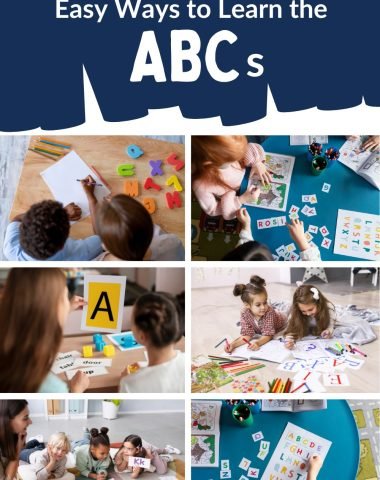
- 25+ playful activities that actually work
- How to know if your child is progressing
- Common mistakes to avoid
- Free printable alphabet activities
Let’s make literacy fun for your little learner!
What Is Literacy for Ages 3-4? (It’s More Than ABCs)
When most people think “preschool literacy,” they picture a child reciting the alphabet. But literacy at this age is about so much more.
True literacy readiness includes:
Print Awareness – Understanding that print carries meaning, books have covers and pages, we read from left to right and top to bottom. Your child is developing this when they pretend to “read” books to their stuffed animals or point at words and ask “What does that say?”
Phonological Awareness – Hearing and playing with sounds in words. This includes rhyming (“cat and hat sound the same!”), counting syllables by clapping, and noticing beginning sounds (“Ball and bear both start with /b/!”). This is the secret superpower that predicts future reading success.
Letter Knowledge – Recognizing and naming letters, both uppercase and lowercase. Eventually connecting letters to their sounds. Most 3-year-olds start by recognizing the first letter of their name. By age 4, many can identify 10+ letters.
Vocabulary & Comprehension – Understanding and using a growing number of words. This comes from conversation, read-alouds, and rich experiences. A child with a strong vocabulary will have an easier time learning to read.
Love of Books – This might be the most important piece. A child who loves stories will be motivated to learn to read. A child who sees reading as a chore will resist it.
Here’s the truth: your 3-year-old doesn’t need to know all their letters yet. What they need is exposure to language-rich environments, lots of conversation, and daily read-alouds. The letter recognition will come naturally as they’re ready.
The Best Sequence for Teaching Letters to Preschoolers
You might think you should teach letters in alphabetical order (A, B, C…). But there’s actually a better way that helps children learn faster and start “reading” sooner.
Start With the Letters in Their Name
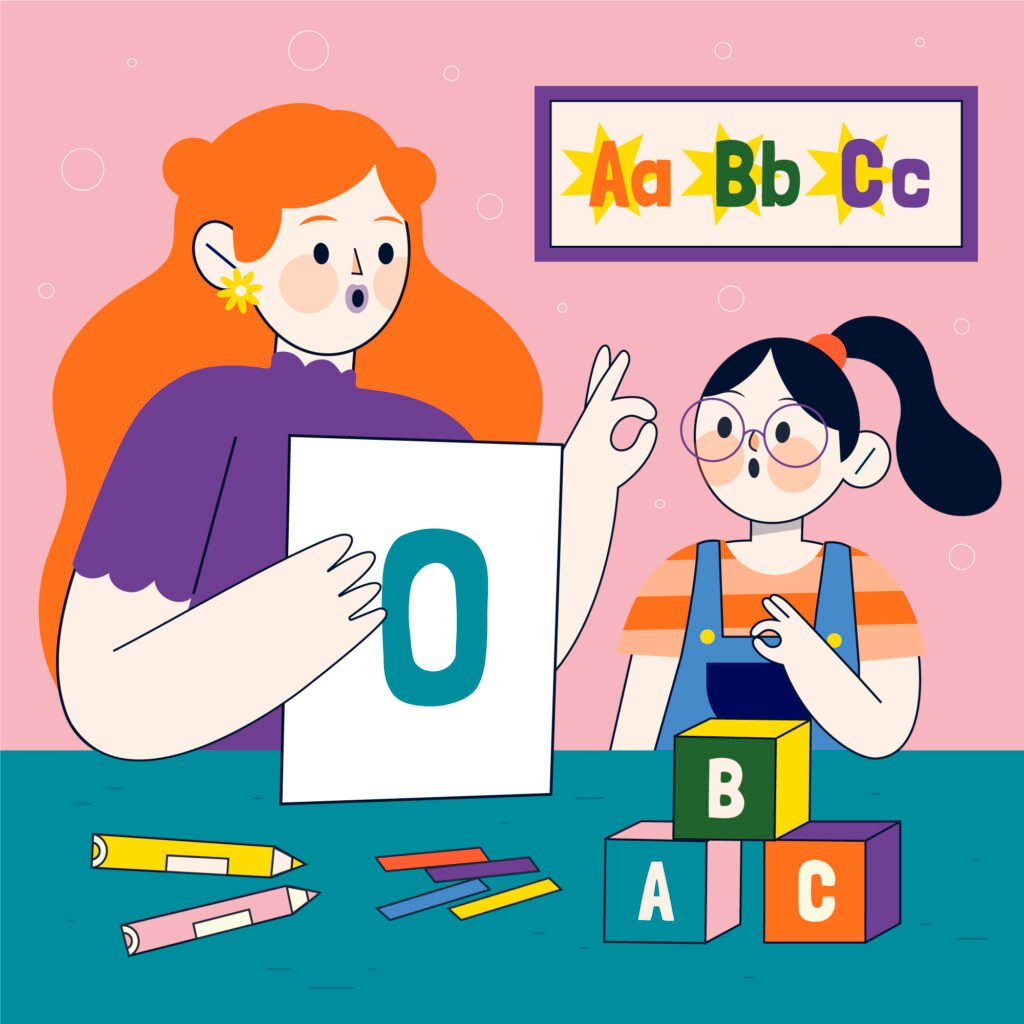
This is where every child should begin. Their name is the most meaningful word to them—it’s on their belongings, people say it constantly, and they’re deeply interested in it.
Start with the first letter: “Look! Your name starts with M! That’s the letter M. Can you find other M’s?”
Why this works: Emotional connection = better memory. Children are naturally motivated to recognize “their” letter. Once they master their first letter, the others come easier because they’ve learned HOW to learn letters.
Activity idea: Create a “Name Museum” – have your child decorate their name with stickers, draw it with different art supplies, build it with playdough, find it in magazines. Make it a celebration!
Teach Uppercase First, Lowercase Later
Uppercase letters are easier to recognize because they’re simpler shapes and more distinct from each other. Lowercase letters have similar shapes (b, d, p, q all look alike!) and confuse young learners.
The progression:
- Uppercase letters (ages 3-4)
- Lowercase letters (ages 4-5)
- Connecting upper and lowercase (pre-K/kindergarten)
Don’t stress if your child learns them out of order—many kids pick up lowercase letters from books naturally. Just don’t formally teach them until uppercase is solid.
Focus on High-Value Letters Next
After the letters in their name, teach letters that:
- Appear frequently in simple words (S, T, A, O, I, N)
- Are easy to write (L, T, O, I)
- Connect to their interests (D for dog if they love dogs, C for cat if they have a cat)
Skip the alphabet order: Teaching in ABC order has no cognitive benefit. It’s just a song. Teaching meaningful letters that connect to your child’s life is far more effective.
The Power of Letter Sounds (But Not Too Soon)
Once your child can recognize 5-10 letters, you can START introducing sounds. But keep it simple and playful.
How to introduce sounds: “The letter S says /s/ /s/ /s/ like snake! Can you hiss like a snake?”
“The letter M says /m/ /m/ /m/ like when you eat something yummy—mmmmm!”
Use the letter SOUND, not the letter name + “uh” (don’t say “buh” for B, say the pure /b/ sound). This will help with blending later.
Important: Don’t quiz or pressure. Just expose them to sounds through play and they’ll pick it up.
25+ Playful Literacy Activities for Ages 3-4
These activities are organized from least to most structured. Start with playful exploration and work toward more focused letter recognition as your child shows readiness.
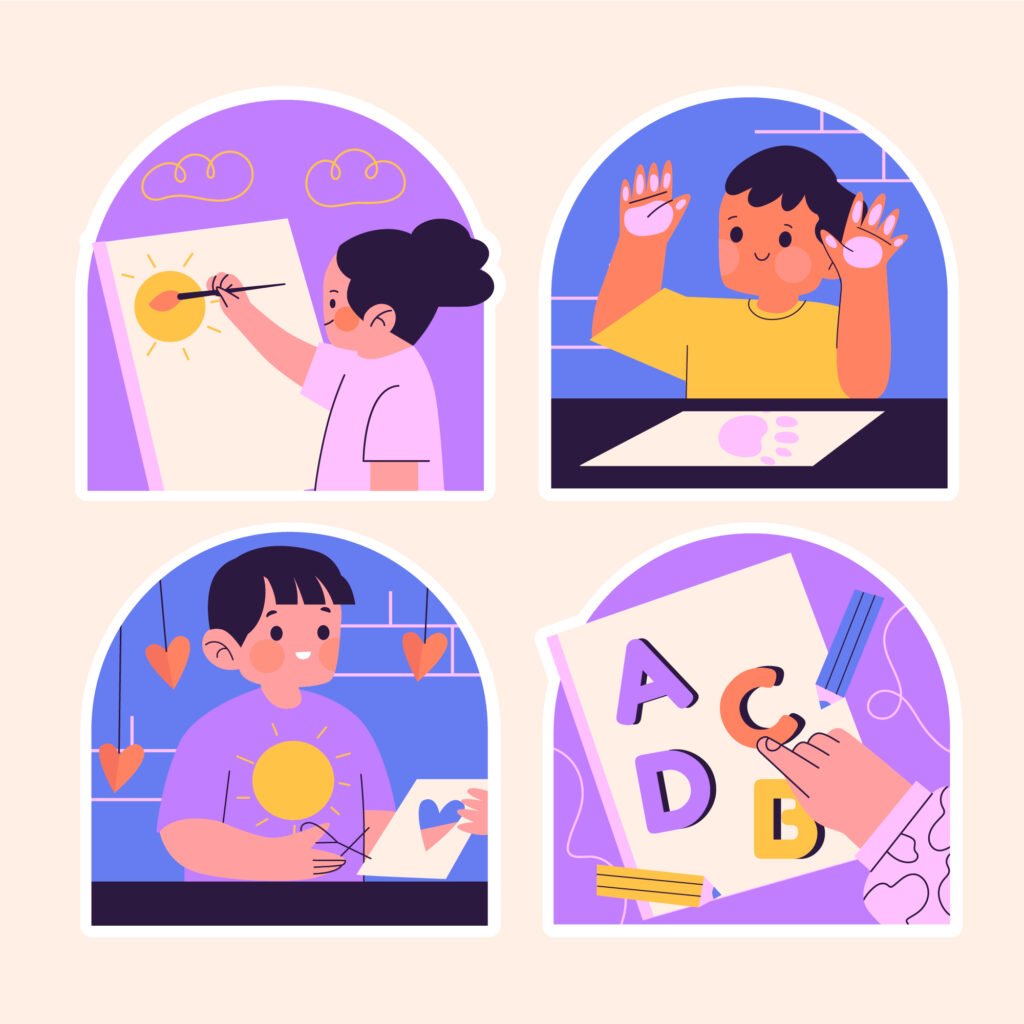
Print-Rich Environment Activities (Zero Pressure, Maximum Exposure)
- Label Everything in Your Home Put simple word labels on objects: door, window, chair, toys. Your child starts to understand that print has meaning. Point to labels casually: “Look, that says ‘door!'”
- Create a Name Wall Display your child’s name prominently—on their bedroom door, art wall, toy bins. Add family members’ names. Take photos of each person and put their name underneath.
- Environmental Print Hunt When you’re out, point out print everywhere: “That sign says STOP. The S is at the beginning!” “Your favorite cereal is Cheerios—it starts with C!” Make it a game: “Can you find your letter on signs while we drive?”
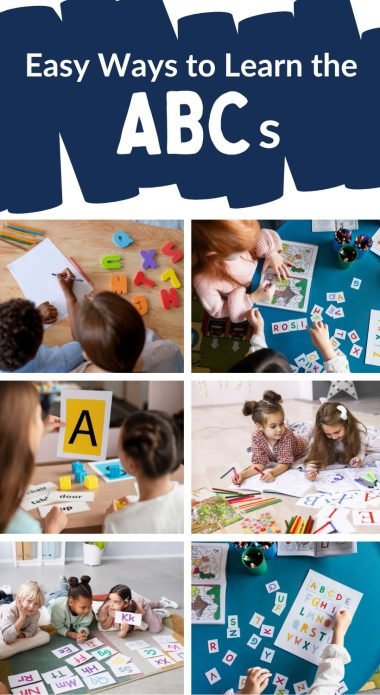
- Magnetic Letters on the Fridge Keep a set of magnetic letters accessible. Let your child play freely—they don’t need to “do” anything specific. Watch what they gravitate toward. Spell their name and family names where they can see it daily.
Multi-Sensory Letter Exploration (Learning Through Touch)
- Playdough Letters Roll playdough into “snakes” and form letters. Say the letter name and sound as you build. Let them squish it and rebuild. The tactile experience helps memory.
- Sensory Writing Tray Fill a shallow tray with salt, sand, or shaving cream. Let your child “write” letters with their finger. The sensory input strengthens neural pathways. No pressure for perfection!
- Rainbow Writing Write a large letter in marker. Have your child trace over it with different colored crayons or markers, creating a rainbow effect. They’re learning the shape through repeated motion.
- Letter Hunt in Sensory Bins Hide plastic letters in rice, beans, or water beads. Have your child dig to find them, then identify each one. This combines fine motor work with letter recognition.
- Sidewalk Chalk Letters Write HUGE letters on the sidewalk or driveway. Have your child walk, hop, or drive toy cars along the letter shape. Gross motor + letter learning = powerful combination.
Alphabet Books & Reading Activities
- Letter-of-the-Week Books Choose books that emphasize a particular letter. For example, for letter B: “Brown Bear, Brown Bear,” books about bears, buses, or balls. Read them repeatedly throughout the week.
- Alphabet Books for Preschool Invest in 2-3 quality alphabet books:
- “Chicka Chicka Boom Boom” (fun and rhythmic)
- “Dr. Seuss’s ABC” (silly and engaging)
- “Eating the Alphabet” (connects to real foods)
Read them often but don’t make it a teaching session—just enjoy the stories and rhythms.
- Point to Print While Reading As you read favorite books, occasionally run your finger under the words. This shows that those black marks are what you’re reading, not the pictures. Don’t do this every time—it can disrupt the story flow.
- “Find the Letter” Game in Books After reading a familiar book, say: “Can you find the letter S on this page?” Make it playful, not a test. Celebrate when they find it!
Songs, Rhymes & Phonological Awareness
- Alphabet Song Variations Sing the alphabet song, but don’t stop there! Sing it slowly, sing it fast, sing it while doing actions. Point to letters as you sing. But remember: singing ABC doesn’t mean they know individual letters yet.
- Rhyming Games Read rhyming books (“Green Eggs and Ham,” nursery rhymes). Play “What rhymes with cat? Hat! Bat! Mat!” Don’t worry if they struggle—just expose them to rhyming patterns.
- Clapping Syllables Clap the syllables in family names and favorite words. “Mom-my” (clap clap). “Di-no-saur” (clap clap clap). This builds phonological awareness—a critical pre-reading skill.
- Beginning Sound Games “I’m thinking of something in this room that starts with /b/… book!” Take turns. Make it silly and fun. Don’t correct if they get it wrong—just model the correct answer.
Arts & Crafts Letter Activities
- Letter Collages Choose a letter. Have your child cut (or tear) pictures from magazines that start with that letter. Glue them onto paper. This combines fine motor practice, letter recognition, and beginning sounds.
- Alphabet Crafts Transform letters into pictures: A becomes an alligator, B becomes a butterfly. There are thousands of free templates online. Your child colors, decorates, and internalizes the letter shape.
- Stamp & Print Letters Use alphabet stamps, sponges cut into letter shapes, or even vegetables (cut a potato into an L shape). Dip in paint and stamp away. Repetition of the letter shape builds recognition.
- Sticker Letters Buy letter stickers. Let your child place them on paper while you say the letter names. Or have them find specific letters: “Can you find the M sticker?”
Games & Movement-Based Activities
- Letter Matching Games Create simple matching games with index cards. Write uppercase letters on some cards, draw pictures that start with those letters on others. Match B with a picture of a ball.
- Alphabet Parking Lot Write letters in chalk on the driveway to create “parking spots.” Call out a letter and have your child drive a toy car to park on that letter. Learning + gross motor!
- Musical Alphabet Like musical chairs, but with letters on the floor. Play music. When it stops, call out a letter and everyone runs to stand on that letter.
- Letter Yoga Use your bodies to form letter shapes! “Can we make a T with our bodies?” This is hilarious and memorable.
- Go Fish – Letter Edition Make pairs of matching letters on cards. Play Go Fish. “Do you have a B?” This makes letter recognition feel like play.
Technology & Screen-Based Options (Use Sparingly)
- Educational Apps for Letter Recognition If you use screens, choose quality apps:
- Endless Alphabet (vocabulary + letter sounds)
- Starfall ABCs (free and comprehensive)
- Khan Academy Kids (full curriculum including literacy)
Screen time guideline: AAP recommends max 1 hour/day of quality programming for ages 2-5. Prioritize hands-on activities, but screens can supplement when used intentionally.
How to Know If Your Preschooler Is Progressing
Typical milestones for ages 3-4:
Age 3:
- Recognizes 1-3 letters (usually from their name)
- Shows interest in books and being read to
- “Writes” with scribbles that might include letter-like shapes
- Can recite part of the alphabet song (though they can’t identify individual letters yet)
Age 4:
- Recognizes 10-15 letters (uppercase)
- Can write a few letters, especially those in their name
- Begins to understand that letters make sounds
- Identifies some beginning sounds in simple words
- Recites the full alphabet (but this is less important than recognizing individual letters)
Red flags to watch for:
- Zero interest in books or being read to by age 4
- No recognition of any letters by age 4.5
- Difficulty hearing rhymes or unable to clap syllables by age 4.5
If you notice these, talk to your pediatrician. Early intervention makes a huge difference. But remember: late bloomers exist! Some children show no interest in letters at 4 and suddenly “get it” at 5.

Common Literacy Mistakes to Avoid
Mistake #1: Pushing Too Hard, Too Soon If your child resists letter activities, back off. Pressure creates negative associations with reading. Keep it playful. If they’re not interested at 3, try again at 3.5. Some kids aren’t developmentally ready until 4+.
Mistake #2: Teaching Letter Names Without Context Drilling letter names in isolation is boring and meaningless. Always connect letters to meaningful words: “M is for Mommy! M is for milk!” Context = memory.
Mistake #3: Focusing Only on Letters and Ignoring Books Reading aloud to your child is THE most important literacy activity. If you do nothing else, read together daily. The vocabulary, comprehension, and love of stories matter more than letter recognition.
Mistake #4: Correcting Every Mistake Your child writes their name backwards? Draws letters upside down? Totally normal for ages 3-4. Don’t correct constantly—it discourages them. Gently model the correct way without criticizing.
Mistake #5: Comparing to Other Kids Your friend’s 3-year-old can write all their letters? Good for them. Your child is learning at their own pace. Comparison steals joy and creates anxiety.

Get Free Learning Activities!
Join thousands of parents and teachers who receive our best activities, tips, and printables every week. Plus, get instant access to our exclusive resource library!
No spam, ever. Unsubscribe anytime.
Frequently Asked Questions About Preschool Literacy
Should my 3-year-old know all their letters? No! Most 3-year-olds recognize only a few letters—usually from their name. By age 4, recognizing 10-15 letters is typical. By kindergarten entry (age 5), most kids know most letters. But every child is different.
How do I teach my preschooler to read? You don’t—not yet! At ages 3-4, focus on pre-reading skills: letter recognition, phonological awareness, vocabulary, and love of books. Formal reading instruction typically starts in kindergarten or first grade. Pushing too early can backfire.
What if my child mixes up letters like b and d? Completely normal! Letter reversals are typical until age 7-8. Their brains are still developing the ability to distinguish mirror images. Don’t stress or over-correct. Just gently model the correct orientation.
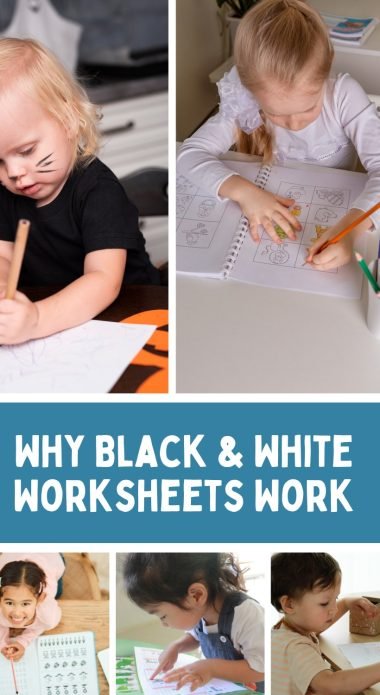
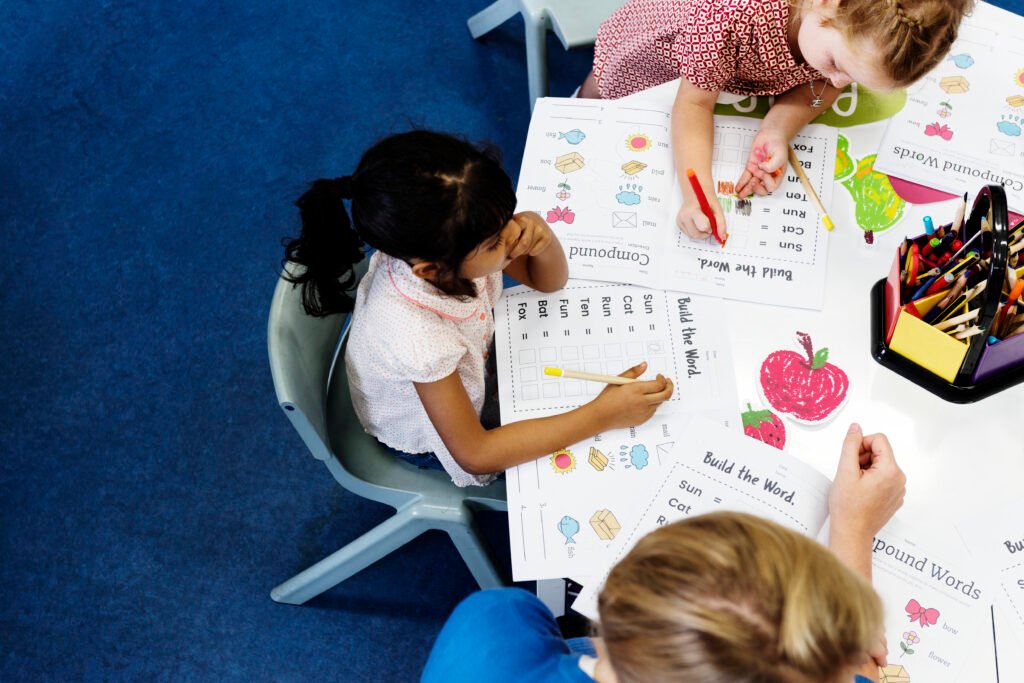
Should I use workbooks for preschool literacy? Use them sparingly. One worksheet a day can be fine if your child enjoys it. But hands-on, playful activities are far more effective for ages 3-4. Save workbooks for kindergarten when they’re developmentally ready for more seat work.
My child knows the alphabet song but can’t identify letters. Why? This is super common! Singing the alphabet is rote memorization—they’re memorizing a sequence of sounds. Recognizing individual letters requires visual discrimination skills. Keep pointing out letters in books and environment. The connection will come.
Can I teach my child to read at age 3 or 4? Some children are reading before kindergarten—it happens. But most aren’t ready, and that’s okay. If your child is showing readiness (recognizes all letters, knows letter sounds, can blend simple words), you can explore beginning readers. But don’t push. Reading too early doesn’t predict future success.
Conclusion: Build Literacy Through Play and Love
The best gift you can give your preschooler isn’t early reading—it’s a love of books, rich language experiences, and confidence in their learning journey.
Keep these principles at the heart of your literacy teaching:
- Read aloud every single day
- Follow your child’s interests and pace
- Make it playful, not pressure-filled
- Celebrate small wins
- Connect letters to meaningful words
- Trust the process
Whether you’re homeschooling one child or teaching a classroom, you’re planting seeds that will bloom into confident readers.
Ready for more? Check out these resources:
- Toddler Alphabet Workbook – Animal Sounds Habitats Dot Marker Tracing Fine Motor Ages 2-4
- Pre-K Kindergarten Animal Alphabet Workbook – Habitats Tracing Handwriting Dot Marker
- My Busy Book – Cut Match Activities for Preschool and Kindergarten
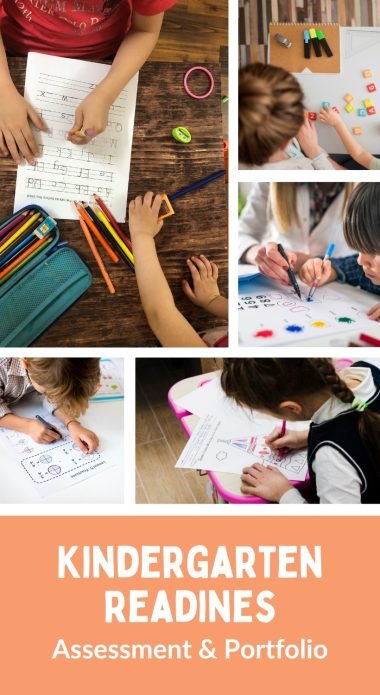
- Preschool Skills Assessment – Pre-K Portfolio Kindergarten Readiness
- Ultimate Homeschool Planner – Complete Learning Kit
Looking for monthly and seasonal preschool unit themes? We also offer monthly preschool and Pre-K curriculum units with ready-to-use lesson plans, printables, and activities for themes like Back to School, Thanksgiving, Christmas, Fall, Winter, Spring, Easter, and more.
👉 Explore our Monthly Preschool Curriculum Units ★
Want lesson plans that do the work for you? Our Complete Preschool Literacy Curriculum includes 36 weeks of activities, printables, and book lists, everything you need to teach literacy with confidence.