

Description
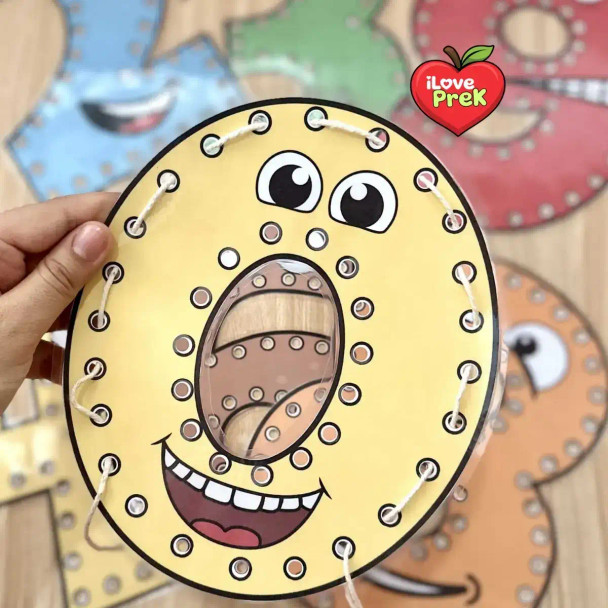
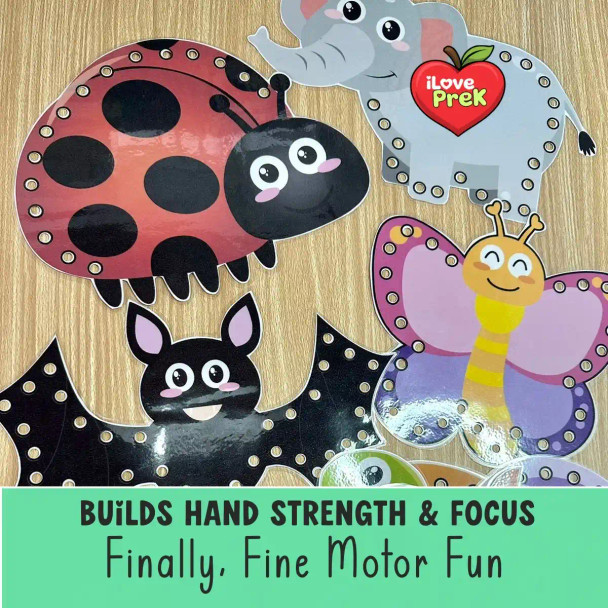
Circles, squares, triangles and seven more. These Montessori-inspired Shape Lacing Cards give little hands a whole new way to explore 2D shapes: by tracing every edge and curve with yarn. Shape recognition that sticks because they felt it first.
Hi, I'm teacher Natalie! Before children can write, draw, or solve early math problems, they need to understand shapes — not just name them on a flashcard, but truly internalize their form.
That's what these Shape Lacing Cards do. When a child laces a circle, they feel the continuous curve. When they lace a triangle, they feel the three distinct corners.
That sensory experience is what makes shape knowledge last — and it builds the hand strength they need for writing at the same time.
— What's Inside:
✔ 8 printable shape lacing cards
✔ Clean, bold designs — sized perfectly for little hands
✔ Pre-marked hole guides for easy hole punching
✔ US Letter size — also works printed on A4
✔ BONUS: Teacher & Parent Resource Guide (prep tips + activity ideas)
— Skills Developed:
→ Fine motor strength (builds hand muscles needed for pencil grip)
→ Hand-eye coordination
→ Bilateral coordination (two hands working together)
→ Shape recognition and geometry awareness → Spatial reasoning
→ Focus and task persistence
→ Pre-writing and pre-math readiness
— Perfect For:
▴ Toddler, Preschool and PreK classrooms
▴ Kindergarten classrooms
▴ Homeschool learning spaces
▴ Daycare and childcare centers
▴ Montessori and play-based environments
▴ OT and early intervention settings
— Works For:
▴ Mom groups & playdates
▴ Fine motor & OT practice
▴ Morning tubs, busy bags & activity bins
▴ Quiet time & independent work
▴ Rainy day fun at home
— How to Prep:
Print → Laminate (optional but recommended) → Hole punch the marked dots → Thread yarn or shoelace.
Prep once, reuse for years.
— Good to Have
This resource supports fine motor development, pre-writing skills, shape formation, pincer grasp, hand strength, and 2D shape recognition for toddlers, preschoolers, and kindergarteners. Ideal for Montessori-inspired classrooms, tot trays, task boxes, math morning bins, geometry units, and early intervention settings.